In Manchester, homeowners are discovering innovative ways to enhance their living spaces – bringing more sunlight into their homes, connecting daily life with the outdoors, and adding flexible rooms that adapt to family needs. One popular solution is the modern conservatory: a smart addition that creates extra space and comfort, without sacrificing the unique style of each property.
Across the city and its suburbs, from Victorian terraces to sleek new-builds, conservatories are no longer just seasonal “garden rooms.” With thoughtful design and the right fittings, they have evolved into all-year living spaces, serving as dining spots, home offices, relaxation nooks, or playrooms for children.
In a city where every square metre is precious, a conservatory gives homeowners new options for making the most of their homes. Instead of simply being an afterthought or “add-on,” a well-designed conservatory can change how the whole house is used day to day.
Conservatories: From Occasional Sunrooms to Everyday Homes
The old idea of a conservatory – somewhere used only on warm, sunny days – is fading. Traditional designs were often too cold in the winter and overheated in the summer. Today, Manchester families are looking for versatile conservatories that dovetail with their lifestyles: places to host Sunday lunches, enjoy a peaceful coffee, catch up on work, or offer little ones a space to play, all with beautiful garden views.
Because land and budgets are often limited in busy urban areas, many residents find that a conservatory offers the perfect solution. Unlike a full extension, it can make use of the existing footprint, seamlessly expanding indoor-outdoor living. Planning the layout and connection to the main house is essential to get the space working for every member of the household.
When thinking about a new conservatory, it helps to focus on your family’s needs – how will you use the extra room, and what would make it feel part of your home?
Letting in Natural Light and Opening Up Your Home
City streets can sometimes feel closed-in, with little natural light reaching the back rooms. A conservatory is a practical way to brighten up your home from within, inviting daylight even on Manchester’s famous grey afternoons. The large panes transform not just the interior atmosphere, but your whole experience of the garden – making the outdoors feel like a part of everyday life.
This approach is about more than just looks. A well-placed conservatory can help a small garden feel more expansive, and provide a cozy spot to enjoy the seasons. Careful design, including the location of blinds or privacy screens, also means you can enjoy openness without feeling overlooked by neighbours.
If you want inspiration on designs that truly work for local homes, it’s worth checking out Conservatories Manchester. They offer advice and installations that respect the architectural traditions of the area, blending new living space with period and modern houses alike.
Choosing the Right Style for Your Home
There’s no one-size-fits-all template for conservatories in Manchester. The best designs fit your home’s age, architecture, and personality.
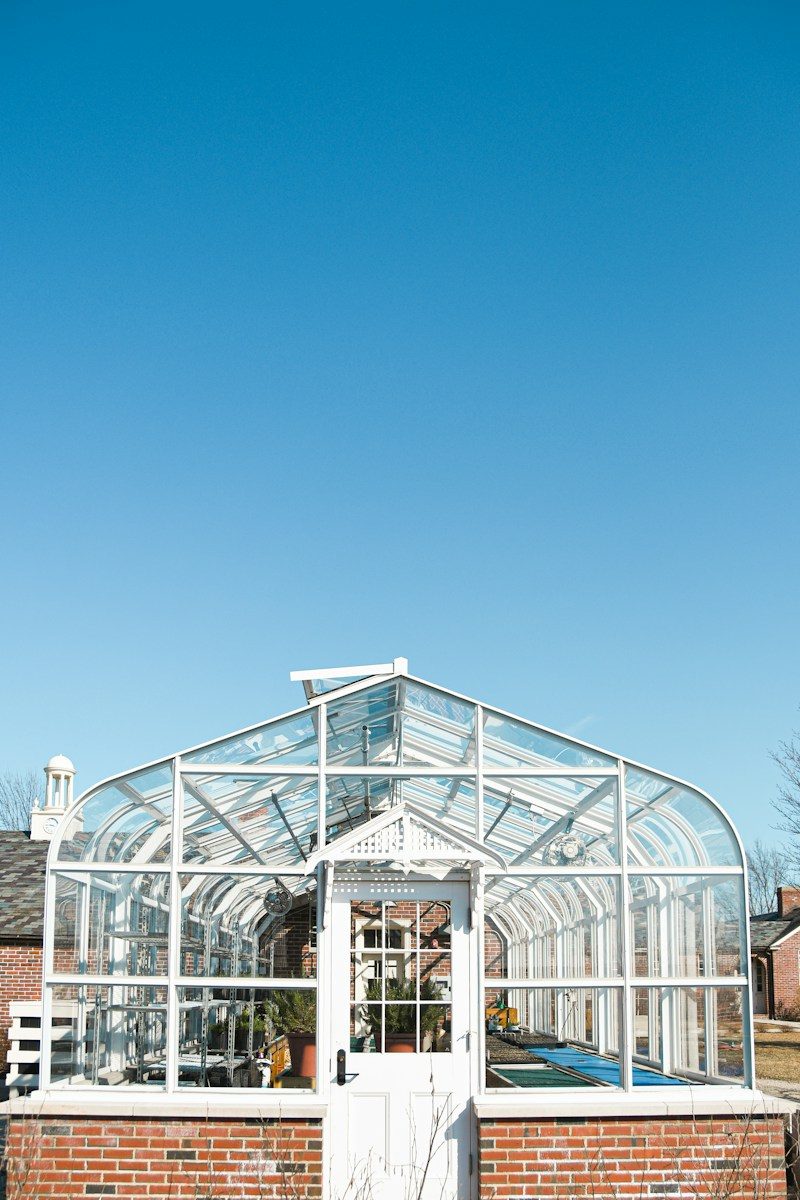
A Victorian-style conservatory – with its elegant brickwork and bay windows – suits older properties, while a square or rectangular Edwardian design makes good use of floor space. Simple lean-to conservatories are great for contemporary houses or tight plots. Custom options can adapt to unusual spaces, different garden shapes, or your personal taste.
The appearance matters, too. Choosing colours, finishes, and window details that complement your existing home makes the new room feel like a true part of the property.
Staying Comfortable All Year Round
A glass room needs more than just good views. Insulation, careful glazing, proper ventilation, and effective shading all make a big difference to your comfort throughout the year.
Modern conservatories use high-performance double or triple glazing, which helps keep warmth in during winter and blocks excess heat in the summer. Roof, walls, and floor insulation – along with draught-proofing and ventilated window options – ensure the space isn’t too stuffy or too chilly.
Simple steps like adding trickle vents, opening windows, or installing blinds can help regulate temperature and maintain air quality. Planning the lighting and power points before building means you can easily set up workspaces or entertainment corners in your new room.
Privacy and Peace in Urban Settings
Manchester’s lively city means noise and privacy need extra thought. Upgraded double glazing helps to keep out street sounds, so your conservatory stays peaceful – a perfect spot to unwind or work from home. Security is also important; reputable installers will specify multi-point locking systems, toughened glass, and reinforced frames to keep your property safe.
Ask your installer exactly what security features and guarantees are included when you choose your conservatory, so you can relax and enjoy the space.
Planning, Building Regulations, and What to Know Before You Build
If you’re planning a conservatory, it’s more than just picking windows and a roof. In England, many conservatories are permitted development, meaning no planning permission is needed if they meet specific conditions. But it’s always smart to check with your local council first – especially for homes in conservation areas or listed buildings.
Building regulations need consideration, too. Some small conservatories are exempt if they meet rules for glazing, doors, heating, and siting, but not all do. If you’re making a new opening between your house and the conservatory, or fitting fixed heating, you’ll need to meet extra standards.
A good installer will help guide you through these checks, but it’s wise to clarify the building process, including everything from foundations and drainage to electrics. Your final quote may include extra work like internal finishes or groundwork – getting everything in writing makes the process smoother.
Making Your Conservatory Feel Like Home
The best conservatories don’t feel like a separate “add-on.” They are carefully connected to the rest of your home, with continuous flooring, coordinated colours, and thoughtful lighting. They should let you move easily between the house and garden, and adapt as your needs change – a playroom today, perhaps a study or quiet lounge tomorrow.
By carefully planning design, insulation, permissions, and connections, a conservatory can turn any Manchester home into a haven of light, comfort, and flexibility – making city living feel that little bit bigger, brighter, and more welcoming.
Always confirm planning and building requirements with your council and get written details from your chosen installer before work begins.