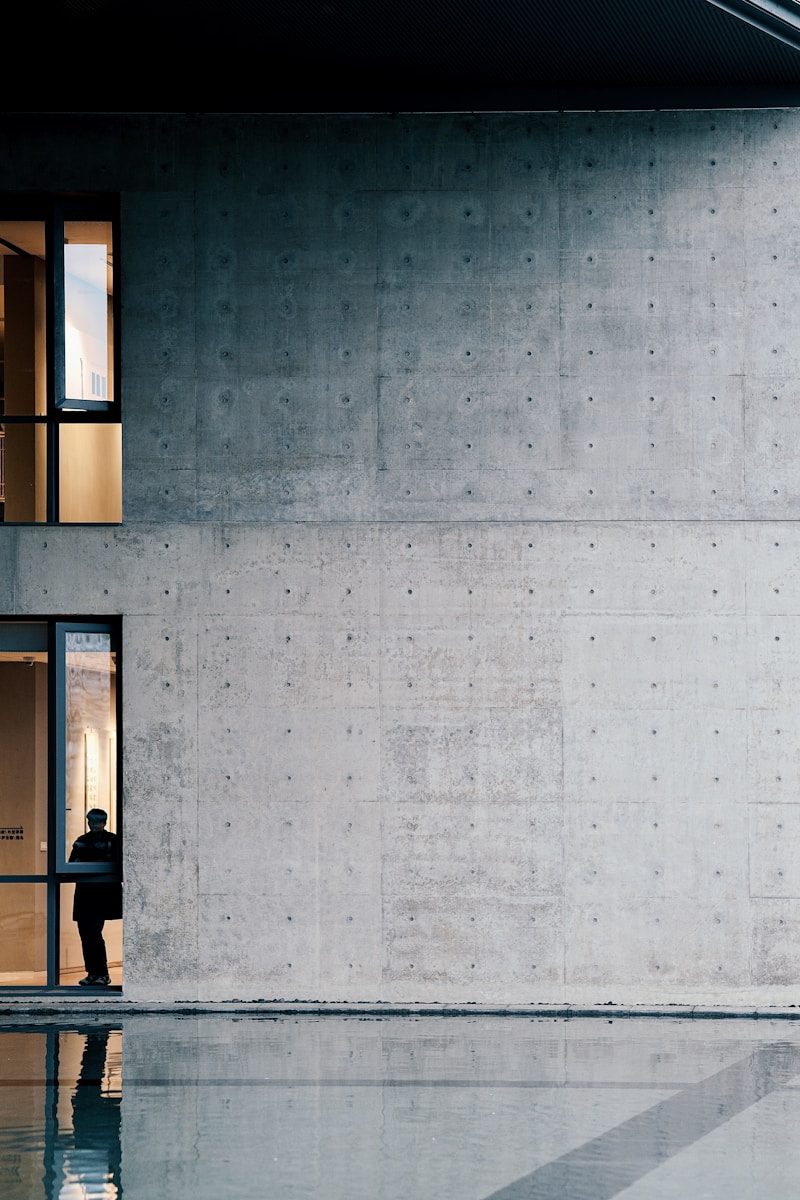
Creating a convincing faux concrete wall takes more than just a layer of gray paint. The process is about carefully building up textures, understanding how to layer colors, getting your timing right, and most importantly, preparing the wall properly. The most common slip-ups people make include rushing the prep work, using unsuitable materials, overworking the surface, and ignoring the finer details that bring a concrete effect to life rather than leaving it looking like basic gray paint.
A faux concrete wall can instantly upgrade a space, giving it a stylish, modern, industrial, or even minimalist vibe. When executed skillfully, it adds depth and character – making any room look upscale and unique. But if things go wrong, the result often feels flat, uneven, or obviously “do-it-yourself.” Most of the time, it’s a handful of avoidable mistakes that stand between you and a truly stunning effect.
For creative inspiration or examples of well-crafted wall finishes, take a look at Wände mit Spachteltechnik und Betonoptik gestalten. This will give you a clear idea of how professional wall treatments can take an interior to the next level.
1. Neglecting Surface Preparation
Cutting corners before you even start painting is the most common error. It’s crucial to begin with a spotless, even, and solid surface because dirt, leftover grease, holes, and peeling paint will show through and ruin the finish. If the wall isn’t prepared well, the results could look blotchy, fail to stick, or even start peeling off – not exactly the look you want for your feature wall.
Here’s what to do instead:
- Start by cleaning the wall so it’s free of dust, oil, and any flaky bits.
- Patch up any holes or cracks and sand down rough spots.
- Carefully mask off outlets, edges, and trims for neat results.
- If recommended, apply a primer so your decorative layer sticks evenly.
A bit of upfront effort sets the stage for a much more impressive finish and makes every other step easier.
2. Using Just One Shade of Gray
Many people fall into the trap of thinking concrete is just one simple gray color, but real concrete is anything but flat. It includes variations like warm and cool grays, soft shadows, cloudy effects, and gradations. Professionals and experienced DIYers often mix different shades – starting with a base color and adding highlights and lowlights to create a natural look.
If you stick to a single shade, the wall will end up looking more painted than like concrete. True concrete has life and depth, with subtleties that only come from layered, blended colors. Don’t be afraid to build up your wall in stages, adding lighter or darker tones as you go for that sophisticated, mineral feel.
To get it right:
- Lay down a solid base, then work in lighter and darker grays.
- Don’t apply colors evenly – randomness is your friend here.
- Step back occasionally to see how everything looks from a distance.
- The goal is gentle inconsistency, not perfection.
If you want a designer finish, focus on achieving depth and movement on the wall rather than just covering it all with one tone.
3. Making the Texture Too Perfect
Another frequent problem is overworking the surface, trying to get every inch looking “just right.” The trick to a realistic faux concrete wall is controlled chaos – using trowel marks, brush strokes, and blending techniques, then stopping before things get too perfect or overdone. Over-smoothing actually takes away from the natural look you want.
Some products dry quickly, so you need to work with purpose and not go back over the same spot again and again. If you fuss too much, the wall can get over-blended and lose that special textured look that real concrete has.
Here’s how to avoid messing up the texture:
- Tackle small spots at a time so nothing dries before you finish blending.
- Blend while the product is still easy to work with, but stop before it gets muddy.
- Mix up your strokes – don’t use the same motion everywhere.
- Welcome small imperfections; they make the wall feel more authentic.
The best faux concrete walls balance roughness with restraint – they shouldn’t look too deliberate or overly polished.
4. Layering on the Material Too Thickly
Thickness is a detail plenty of people miss. Decorative concretes and faux plasters are designed to be applied in thin, measured layers. If you slather it on too thick, it can dry incorrectly, form lumps, or turn out looking more like frosting than concrete. It might seem like a shortcut, but it nearly always backfires with cracks, droops, or harsh lines, leaving the illusion anything but convincing.
Tips for a smoother result:
- Build up your effect using several very thin coats, not one thick one.
- Use application tools like trowels or putty knives to keep layers even and thin.
- Resist the urge to rush – let each layer set before adding more.
- Always pay attention to the manufacturer’s instructions if you’re using specialty products.
By treating each layer as part of an evolving surface, you create a much more believable illusion.
5. Forgetting About Dry Time, Lighting, and the “Realness Check”
Don’t make the mistake of calling the job done before giving the finish the proper time to dry and evaluating how it looks under different lighting. Natural and artificial lights can change the appearance of your concrete wall; what looked perfect under one bulb might feel dull in sunlight. Rushing into touch-ups before the wall is fully cured can make things worse, not better.
To sidestep this pitfall:
- Allow the wall to dry completely before considering any fixes or tweaks.
- Look at your wall in a variety of lighting situations to catch any surprises.
- Step back and view it from different angles and distances.
- If you make changes, do them gently to keep the surface believable.
A convincing faux concrete wall ties a room together and looks good from every perspective, not just up close.
What Makes a Faux Concrete Wall Stand Out?
The difference between a stunning wall and a so-so one comes down to patience, preparation, and thoughtfully layered materials. Whether you’re following tutorials or professional advice, common themes keep coming up: start with a well-prepped surface, use products specifically for the job, layer colors and textures, and let imperfections work in your favor.
Taking time to learn the process – by looking into skilled decorative finishers or studying examples like Wände mit Spachteltechnik und Betonoptik gestalten – helps clarify what’s possible and what standard to strive for.
Before You Begin: A Simple Checklist
- Make sure the wall is clean, repaired, and primed if needed.
- Use more than one gray shade to mimic real concrete.
- Apply the product in thin, deliberate layers.
- Work texture gently and avoid revisiting the same area too much.
- Check your work in all sorts of lighting after it dries.
By following these steps, your faux concrete wall can look professional, elegant, and truly integrated into the room rather than as a rushed weekend project.