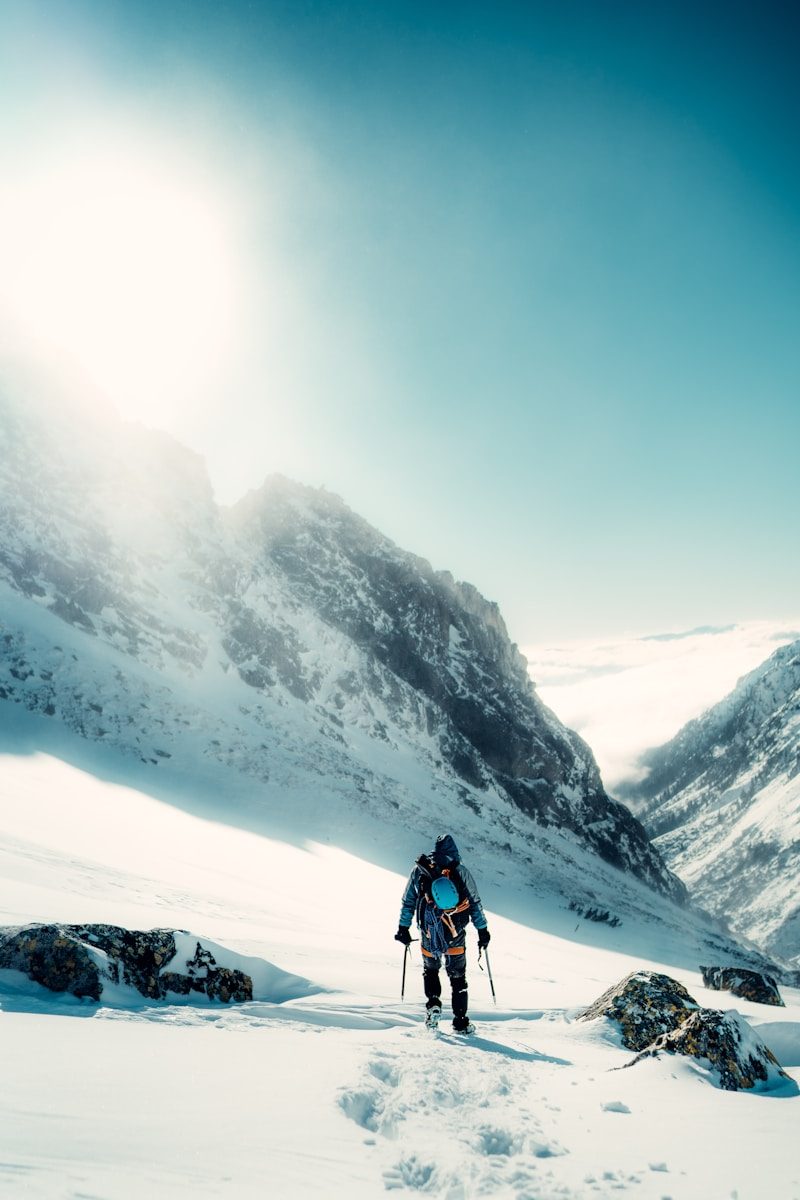
Getting ready for a high-altitude climb goes much further than just boosting your fitness levels. Instead, it means training your body to handle, adapt, and bounce back in tough situations where oxygen is hard to come by. The essential but often unspoken rules are clear: build fitness over time, practice with purpose, prioritize real recovery, and acknowledge the limitations that altitude will impose.
Most people understand adaptive training to mean personalizing your workout and preparation to suit the exact mountain terrain, expected weight of your pack, and the altitude you’ll actually face. Being fit at sea level won’t always help you at high altitude – expedition success depends on smart pacing and proper acclimatization, not just on being able to run far or lift heavy. To really prepare, learning about adaptive training mountaineering is a great way to start figuring out what matters most on your climb.
Train Like You’re Already On the Mountain
A common mistake in getting ready for a mountain trip is assuming that general gym fitness automatically means mountain readiness. In reality, your high-altitude training should mirror the actual demands awaiting you: long uphill walks, carrying loaded backpacks, being on your feet for several days in a row, and recovering enough to go higher.
That’s why most guides insist on a well-rounded training system: aerobic conditioning for stamina, strength training for muscles, endurance for repeated days, and specific practice to get used to thin air. This translates to mixing long cardio sessions, interval training, hikes with increasing pack weights, and – if possible – some exposure to higher altitudes before the expedition.
Go Slow – Let Your Body Adjust
One key principle at altitude: your body needs time. Once you get above 3,000 meters, you should raise your sleeping elevation by only 300–500 meters a day and work rest days into your schedule. This is not random advice – it’s based on how our bodies actually adapt to less oxygen.
Moving up too quickly can lead to trouble, like altitude sickness. It’s always better to take things gradually, sticking to conservative gains in sleeping elevation, and adding extra acclimatization days for every additional 1,000 meters you climb. Pushing faster hardly ever pays off in the long run.
Understand the Difference Between Activity and Rest
Some climbers think all movement is good when acclimatizing, but this can be misleading. True adaptation happens when you alternate periods of exertion with real downtime. A “rest day” isn’t a tough hike in disguise – it should mean no serious elevation gain, just letting your body recover.
When acclimatizing on the mountain, keep heart rates low during side hikes, focus on proper hydration and nutrition, and make sleep a priority. You won’t get better at altitude by constantly pushing to your limit; the real progress comes from letting your body recover and adjust.
Use the “Climb High, Sleep Low” Rule to Your Advantage
“Climb high, sleep low” is a classic mountain rule for a reason. The idea is simple: push higher during the day to expose your body to less oxygen, but spend the night at a lower, more comfortable altitude to recover. There’s good evidence this helps your body adjust without overdoing it.
Most experienced climbers suggest your sleeping spot should be 300 to 900 meters – roughly 1,000 to 3,000 feet – lower than your highest point that day. This approach gives your body a steady, manageable dose of altitude stress without risking exhaustion or illness from rapid gains.
Focus on the Right Kind of Endurance
Basic fitness is helpful, but the best training for mountain expeditions mimics what you’ll actually face. This means slow, steady sessions for base fitness, intense intervals for capacity, hiking with increasing pack weights, and regular variation to prevent injury.
This combined approach matters because being the fastest runner doesn’t guarantee mountain success. Instead, it’s usually the person who can keep going at a good pace, recover overnight, and handle the demands of carrying a load who reaches the summit.
Never Skip Pack Training
Training with a loaded pack is absolutely essential. Carrying weight uphill uses different muscles and movements than plain walking or even running. The body needs time to get used to the challenge – especially because the lower oxygen will make everything feel harder.
A good training plan increases pack weight gradually, starts with shorter hikes, then builds to longer ones with expedition-level loads. This way, your legs, hips, and back gain strength while your heart and lungs set into the rhythm needed for climb day. It’s much better to be surprised by how easy your pack feels than to suffer on your first real ascent.
Hydration Is a Key Skill – Not Just a Good Idea
Staying hydrated in the mountains isn’t a minor detail – it’s a must-have skill. Cold, dry air robs your body of fluids fast, and dehydration can wreck your energy, give you headaches, and stop you from recovering properly. The best way to know you’re on track is to check that your urine is light and plentiful, not dark and minimal.
Drink water regularly, not just when you feel thirsty. Many climbers also recommend adding electrolytes to help balance sodium, especially when climbing for hours or sweating in lots of layers. Remember, everyone needs different amounts, so it’s important to practice and learn what works for you in training.
Eat Early and Eat Often
High places often kill your appetite, but your need for calories goes up, not down. It’s easy to overlook nutrition, but your body needs extra energy – especially in the form of carbohydrates – to keep fueling your muscles and your brain at altitude.
Try out different foods and snacks during your training, so you know what sits well when you are tired or breathless. Carb-rich snacks and drinks are your friends for both endurance and recovery. If you can figure out what works at home, you’ll avoid nasty surprises on the mountain.
Learn to Spot and Respond to Symptoms Fast
One of the most important unwritten rules is to never ignore signs of altitude sickness. Bad headache, trouble sleeping, no appetite, nausea, or strange tiredness are all signals that your body is not adjusting well. The only good response is to pause, rest, and, if needed, drop to a lower altitude until symptoms pass.
Never try to “push through” sickness by climbing higher – this is a leading cause of serious emergencies on expeditions. If you feel unwell at altitude, take it seriously. Your health and even your life can depend on knowing when to stop or turn around.
Use Altitude Exposure, but Don’t Get Reckless
Getting used to altitude before your climb – whether by sleeping at elevation, hiking on weekends, or using special hypoxic training – can help your body get ready. However, these tools are not shortcuts or substitutes for a slow ascent during your actual expedition.
Think of pre-acclimatization as a bonus, not a replacement. Stay humble, plan your climb for gradual gains, and don’t let gadgets make you overconfident about how you’ll respond at 4,000 meters and above.
Treat Recovery as Part of Training
Recovery time is not just downtime – it’s a vital part of adaptation. Make space in your training and expedition plans for real rest, not just lighter activity. Sleep well, avoid overexertion, and let your body catch up as it works to build red blood cells and adjust to lower oxygen.
On the mountain, the athletes who last are often those who value recovery. Ignoring this step can undo weeks of good preparation and leave you struggling when it matters most.
The Best Plan Is Sustainable
Ultimately, the most effective adaptive training is steady, planned, and practical. Instead of chasing extreme workouts, focus on building basic fitness, strength for the mountains, and solid habits around recovery and nutrition.
Many experts recommend starting months before your trip and adjusting gradually as your body grows stronger and more capable. Small, regular improvements beat risky last-minute sprints every time. The aim is to become durable – ready, reliable, and well-prepared for the unique challenges of high-altitude adventure.
In high-altitude climbs, the winners are rarely those who push hardest every moment. Instead, success belongs to those who listen to their bodies, train smartly, allow enough time for rest, and know when to take a step back. That’s what true adaptive training is all about.