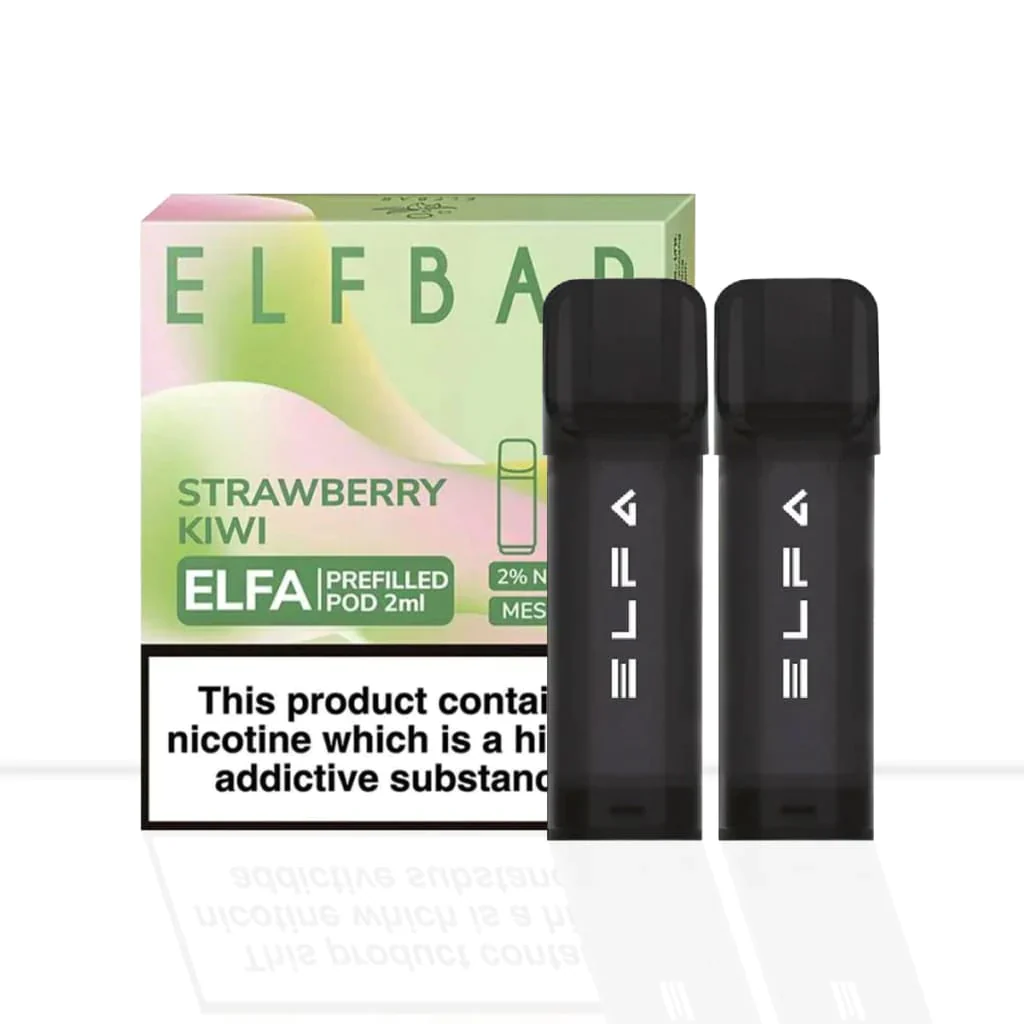
• Discover the Best Elfbar Elfa Pod Flavors Available in Germany

    The vaping scene in Germany has seen a surge in popularity, especially with the rise of pod-based systems. Among the many brands on the market, Elfbar Elfa Pods have stood out for their easy-to-use design and wide range of flavors. For those curious about getting started with this brand or simply looking to explore new tastes, here’s a comprehensive overview of what Elfbar Elfa Pods offer to vapers in Germany.

    A Wide Variety of Flavors to Try

    One of the main attractions of Elfbar Elfa Pods is their extensive range of flavors. Whether you’re after something refreshing, sweet, or classic, you’ll find a pod that fits your taste. Currently, German vapers can choose from more than 30 different flavors, giving everyone a chance to find their favorite. If you’re browsing or ready to buy, you might want to start with the official selection of Elfbar Elfa Pods for the full range of choices.

    Leading Categories and Flavor Profiles

    The Elfbar Elfa flavor lineup is divided into several popular categories to match different preferences. Fruity flavors are some of the biggest crowd-pleasers. Options like Watermelon and Mixed Berries provide a juicy, satisfying vape that’s ideal for summer days or anyone who enjoys vibrant, natural notes. If you enjoy a cooling sensation, then the icy or menthol-based pods add an extra chill – take Frozen Berries or Blue Razz Lemonade, for example, where the sweetness of fruit is blended with a fresh, icy finish.

    For vapers who prefer something nostalgic or more traditional, tobacco flavors are also available. These are designed to mimic the taste of cigarettes without any of the lingering after-effects of smoke. Finally, there are candy and dessert-inspired flavors for those with a sweet tooth, such as Cola or Pink Lemonade, offering a playful twist in your vaping routine.

    Top Fan Favorites

    Some flavors consistently top the charts among users in Germany. Mixed Berries is a universal favorite, balancing assorted berry notes for a nuanced and enjoyable experience. Watermelon’s juicy and sweet profile makes it another top pick, especially when you want a light but flavorful vape. Blueberry and Blue Razz Lemonade are both renowned for their boldness – bursting with berry flavors and a hint of tartness that’s lively and memorable.

    Many vapers also love experimenting with new or seasonal releases, and Elfa Pods often rolls out limited edition flavors or regional exclusives. This ever-changing menu keeps things exciting for regular users.

    New Flavors Hitting the Shelves

    The flavor landscape for Elfbar Elfa Pods keeps evolving. In Germany, recent launches have included innovative combinations like Blackberry Cherry, which mixes deep berry notes with subtle sweetness for an intriguing blend. Upcoming launches, such as Frozen Berries, are highly anticipated and expected to land early in 2026. These new releases are often met with enthusiasm as they give users something fresh to look forward to, ensuring that there’s always something novel to try in your vaping journey.

    What Makes Elfa Pods Stand Out?

    It isn’t just the multitude of flavors that puts Elfbar Elfa Pods ahead of the competition. The pods themselves are pre-filled for convenience, offering a straightforward plug-and-play experience. This is perfect for both newcomers and experienced vapers who want a hassle-free way to enjoy their flavors.

    Each pod comes equipped with advanced Mesh Coil Technology, designed to maximize the flavor output and longevity of the pod. This means every puff delivers strong flavor and consistent vapor until the pod is empty. Additionally, the pods have a nicotine strength of 20mg/ml, providing a satisfying hit that mimics the feel of traditional cigarettes while avoiding harshness.

    Purchasing Elfa Pods in Germany

    For anyone in Germany looking to buy Elfbar Elfa Pods, the process is simple. The official range is stocked by reputable retailers, both online and in-store. It’s wise to purchase from authorized shops to ensure you’re getting genuine products with all the advertised features. The packaging usually provides clear information on flavor, nicotine content, and compatibility, making it easy to choose what suits your device and preferences.

    Why Flavors Matter When Choosing a Pod

    The right flavor can make all the difference in your vaping satisfaction. Some people stick with one signature taste while others like to rotate through flavors depending on mood or occasion. Elfbar Elfa Pods allow this flexibility with their broad catalog of choices. New vapers often start with fruit flavors because they tend to be smooth and appealing, while those transitioning from tobacco products might lean towards classic tobacco or even menthol to ease the switch.

    It’s helpful to read user reviews or sample a few different pods before settling on your favorites. With regular new and seasonal flavors coming out, there’s no shortage of options to keep your routine fresh and interesting.

    Explore and Enjoy

    In summary, Elfbar Elfa Pods are hugely popular in Germany thanks to their convenience, reliable quality, and diverse range of flavors. Whether you crave fruity, icy, tobacco, or sweet dessert notes, you’re sure to find something that suits your style. With easy access via reputable retailers and a steady stream of innovative flavors being released, it’s never been simpler to enhance your vaping experience. So, explore the lineup and discover your next favorite flavor today!

  • a person is parasailing in the blue sky

    Master the Alpine Skies: 7 Gear Secrets for Paragliding in the Swiss Alps

    Close your eyes and picture launching from the dramatic spikes of Jungfrau or Eiger, with cool alpine air swirling around as you glide past the icy crowns of the Matterhorn. Paragliding in the Swiss Alps isn’t just swooping through the sky—it’s partnering with wild nature, where an unexpected breeze could turn a thrilling flight into a test of your preparation. Flying safely here all comes down to gear. In this post, we’ll reveal Gleitschirmzubehör kaufen for paragliding these mighty peaks, brimming with guidance from veteran pilots and top-rated Swiss shops.

    Inside, we’ll walk you through the crucial kit for braving sub-zero cold, sudden winds, and rugged launches. Read on for smart gear choices and practical safety tips to make sure your next alpine adventure is as safe as it is exciting.

    Alpine Paragliding: Why It’s Unmatched

    The world of paragliding got its start in the 1970s Germany, quickly spreading to the snow-capped massifs of the Alps. Switzerland found itself as a central hub, offering up more than 200 launch points—from Interlaken’s popular sites to the sunny tracks in Zermatt—each one giving access to legendary altitude gains. Today, gliding here means sharing the sky with thousands of other pilots each year, all chasing long-distance cross-country records and dazzling views.

    But the Alps have a reputation for testing pilots, regardless of skill. Steady winds hovering between 0–35 km/h, freezing air at takeoff, and unpredictable breezes through narrow valleys all push gear to the limit. In Switzerland, equipment often isn’t about luxury—it’s your key to safety during 20-minute flights above jaw-dropping 3,000-meter chasms.

    Essential Safety: Protective Helmets and Emergency Parachutes

    No Swiss paragliding outfit is complete without a proper helmet and a reserve parachute. Premium helmets shield lives against the rocks and sharp terrain of high starts such as Schonegg’s summit, all while staying trim and lightweight. Pick a model that’s certified for the sport and comfortable against the wind.

    A high-quality reserve parachute is just as non-negotiable. Designed for quick deployment, these lifesavers can come in handy during mid-air issues like fold-ups or sudden weather changes. Many experienced Swiss pilots prefer models integrated into their gear’s airbag for extra protection. Modern reserves stay light, reliable—and in nearly every emergency use, they provide that life-saving second chance.

    In-Flight Tech: The Paraglider’s Guide to Instruments

    Relying on your senses alone isn’t always enough above wild alpine ridges, which is where flight instruments come in. A variometer is particularly vital; it tells you instantly whether you’re climbing, sinking, or holding your altitude. Instruments now come with built-in GPS and even “thermal sniffing” features, helping pilots find and ride rising air that changes rapidly in the Alps.

    Wearable and cockpit-mounted devices both work, but dedicated gadgets give more reliable feedback than app-based systems—especially when freezing mountain air drains phone batteries fast. Some units link to your smartphone to share your location or stats live, allowing for extra guidance and excitement.

    Conquer the Cold: Dress Like a Local

    Mountain weather in Switzerland can punish the unprepared—negative temperatures at launch sites are normal, even in midsummer. That’s why heated gloves, jacket liners, and smart layering become essential gear. Opt for gloves with easy-to-use heating elements to keep your hands loose and responsive throughout your flight, and consider heated socks for protecting your feet during both long hikes and cold flights.

    Layering smartly is next. Thermal bases made from quick-drying fibers or natural wools lock in warmth close to your skin, while windproof trousers and scarves protect against biting wind. Don’t forget goggles with proper UV protection; the glare from endless sheets of glacier ice can be fierce. Choose comfort, functionality, and warmth in every piece without adding unnecessary weight.

    Handy Alpine Accessories: Quick Table

    AccessoryUnique Usefulness in the AlpsTrusted BrandsWeight
    Heated GlovesShields against severe windchillFinsterwalder, Custom~200g
    Thermal LayersHolds heat, dries quicklyNiviuk~150g
    GogglesCuts glare, stops foggingIcaro~100g
    Windproof PantsBlocks surprise gustsGin Gliders~300g

    Tools for Every Trip: Mountain Rescue Essentials

    For longer journeys or remote landings, having a compact rescue kit is always wise. Useful add-ons include a collapsible saw for clearing yourself from tree landings, a hook knife for quickly cutting tangled lines, and a sturdy reel of dental floss—a compact alternative when you need rope in a hurry.

    Small first aid packs fitted with bandages, super glue, or even a tourniquet can make a real difference in sticky situations. A lightweight monocular helps you spot ideal landing fields off in the distance, while everyday objects like a single-ply tissue roll can double as an impromptu windsock, giving you a simple way to check wind direction if you land somewhere remote.

    Staying Alert: Alpine Hazards That Demand Respect

    The unique challenges of Alps flying come fast—winds channeled by mountain passes, thick clouds forming without warning, and the physical demand of carrying your kit for hours are all realities. Striking a balance between well-equipped and lightweight is key; for most, aiming for under 10kg keeps things comfortable and doable during trek-in launches.

    Take care when shopping for equipment, too. Choose reputable providers and certified brands since untested gadgets may let you down when conditions matter most. And stay grounded when it comes to tech dependencies—while gadgets offer invaluable support, nothing replaces practiced observation and common sense.

    Growing Potential: Make the Most of Your Experience

    With more than 300 sunny days a year in some Alpine valleys, Switzerland offers enormous potential for endless adventure, whether you’re solo or going tandem with an expert. Besides performance perks, investing in quality gear makes the joy of flight a lot safer. Look out too for eco-friendly innovations in the sport, like recycled materials in harnesses, as sustainability grows in importance for new generations of flyers.

    The Final Checklist: Gear and Local Wisdom

    1. Dedicated Helmet: Find one that seals comfortably and replace right away after any serious incident.
    2. Variometer: A strong buddy in tracking lift and logging all your best flights.
    3. Reserve Parachute: Choose certified lightweight models and get regular practice with mock throws each year.
    4. Heated Outerwear: Always check battery status and adjust under your wind layer.
    5. Rescue Items: Dental floss works when other cords won’t—never underestimate lightweight solutions.
    6. Winter Gloves and Goggles: Use tethers on everything and carry defogger in unpredictable weather.

    Stick to tried-and-tested retailers for backup, and always travel with quality boots for hiking rocky terrain.

    The Sky Awaits: Are You Ready?

    As you look down from takeoff, remember: good gear lets you safely enjoy the freedom of flight in Switzerland’s incredible alpine kingdom. Pack carefully before your next adventure, rely on expert suppliers for the right equipment, and step confidently into your own epic ride above the Alps. The ridges are calling—spread your wings and get ready to soar.

  • a close up of a necklace with pearls

    Why Majorica Pearls Make the Best Gift for Any Celebration

    When it comes to special gifts, Majorica pearls stand out for their classic style and budget-friendly price. Handcrafted on the beautiful Mallorca island in Spain, these pearls are man-made but mimic the glow and strength of natural pearls. Their elegance suits any event, from birthdays to holidays, and brings a touch of luxury loved by people of all ages.

    A Story Steeped in History

    The roots of Majorica pearls go back to 1890, when German engineer Eduard Hugo Heusch started the company in Mallorca’s Manacor town. His dream was to create artificial pearls to match the beauty of rare natural pearls but for everyone to afford. By perfecting a process that used fish scales to create the pearls’ special shimmer, he revolutionized pearl making. This unique method was different from older French techniques and became what we know today as Majorica pearls.

    More than a century later, Majorica is still known for amazing handiwork and connection to Mallorca’s local culture. The company, still run by the original family, brings jewelry fans beautiful pearls that look and feel luxurious—without sky-high prices. Collecting older Majorica pieces has become trendy too, both for their nostalgia and dependable quality.

    The Careful Art of Creation

    Every single Majorica pearl starts as a glass or ceramic bead. This is dipped over and over into a mix called “Essence of the Orient.” This creamy liquid uses fish scales for a beautiful, natural shine. Skilled workers apply several coats, with drying and polishing between layers. The end result is pearls that are perfectly round, smooth, and full of rainbow colors—just like the best sea pearls.

    Unlike pearls that form in oysters, these creations come out remarkably consistent and never have odd shapes or flaws. They feel a little heavier and cooler to touch than cheap plastic copies and, when lightly rubbed against your teeth, slide smoothly with no grittiness.

    What’s also great is that Majorica pearls last for years. Sweat, makeup, heat, and even harsh perfume won’t damage the shiny coating. Since no oysters are opened and no shells are wasted, they’re also much more friendly to our planet.

    How to Tell You Have the Real Thing

    Majorica ensures authenticity by printing marks like an “M,” “Majorica,” or a crown-shaped symbol on their clasps. Pearls also come with certificates from trusted shops and never have thin coatings that scratch or chip easily.

    Real experts tell Majorica by weight (heavier than fakes), coolness, and superb shine. This quality has earned them a reputation as gifts that become cherished family keepsakes, brightening special moments for generations.

    Match Any Outfit, Any Time

    The beauty of Majorica pearls lies in their endless versatility. You can pair them with jeans and a T-shirt for a casual look, or stack strands of them with an evening dress for a Gala or formal event. Whether you choose white, black, or modern shapes like baroque—which is slightly irregular—they flatter any skin tone and style.

    With endless earring, ring, bracelet, and necklace options, people can mix and match to build their own signature look. Pearls set in gold, silver, or trendy rose gold offer limitless choices for refreshing anyone’s jewelry box.

    Thoughtful Birthday Presents

    Looking for a birthday surprise? Majorica pearls symbolize fresh starts and purity—just as natural pearls once marked milestones at birthdays like the 30th or 35th. Their reasonable prices allow parents, partners, and friends to buy matching sets rather than just a single piece.

    If you want to add a personal touch, pick pearls accented with someone’s birthstone or ask for a custom clasp message. Recipients will enjoy being gifted something that feels like high-end jewelry but is completely practical for daily use.

    Romantic Gifts for Anniversaries

    Pearls sit at the heart of marriage celebrations. Majorica pearls represent lasting affection and wisdom, echoing decades of happiness that couples share. These pearls are tough, so a necklace or bracelet might end up as a family tradition for anniversaries or other big celebrations. Heart-shaped pendants and simple chokers make romantic gestures, all while sharing in the Mediterranean magic of Mallorca.

    Designs inspired by history suit special years—like the famous 30th wedding anniversary—when pearls remain the traditional gift.

    The Perfect Finish on Wedding Day

    For a bride, there’s nothing like glowing, even pearls to match a white dress. Majorica delivers exactly that with smooth, uniform pearls that photograph perfectly. The jewelry also helps bridesmaids, moms, and even the groom’s party finish their outfits—think pearl earrings, pins, or cufflinks. With modern choices like black pearls, everyone finds a style.

    Gifting such well-crafted pieces also ties into traditions such as “something old” and “something borrowed” for extra wedding luck.

    Festive Shine for Holidays

    Over the winter holidays, pearls add glimmer to both dressy nights and cozy family dinners. Layered necklaces lift spirits at festive parties. Cute pearl studs are subtle and work for office gift swaps.

    Besides style, Majorica’s lovely gift boxes add to the joy of receiving or opening presents at any holiday. Come New Year’s Eve, they serve as the touch of radiance symbolizing hope for the next year.

    Showmothers Extra Love

    Moms everywhere love gifts that are both beautiful and easy to wear on any day. Majorica’s drop earrings, brooches, or bracelets fit into workwear or weekend looks with ease. Given their strength, moms won’t need to worry about damage while caring for family—or heading out for adventures.

    Their simple wash-and-go maintenance saves time in a busy week, and the wide choice of lengths lets you pick a perfect, personal fit for Mother’s Day surprises.

    Affordable Glam for Everyone

    One of Majorica’s greatest features is the price—you get stylish, long-lasting pearls for much less than traditional or sea-grown ones. Many necklaces start well under €200, so luxury really is for all.

    Despite being affordable, Majorica pearls look and gleam even better than many real ones. For collectors or savvy shoppers, their long-lasting value and appeal hold strong over the years.

    Easy Care for Lifelong Beauty

    Majorica pearls need just light, regular care to stay looking great. Keep them gently in soft pouches and out of too much sun. Wipe them down with a cloth and a little gentle soap—never use bleach or harsh chemicals.

    With these simple efforts, the pearls promise to outlive most real ones, continuing to shine on future celebrations.

    Reasons to Pick Majorica Pearls

    Unlike plastics or poorly-made copies, authentic Majorica pearls deliver realistic weight and shimmer. They’re reliable for people with allergies, too, thanks to their organic foundations. Compared to expensive pearls harvested from the sea, they are absolutely uniform in shape and look, at a fraction of the price and with care for nature.

    The result? Well-made, elegant Majorica pearls fit any style, any occasion, and any budget. Whether giving or wearing, they symbolize kindness, knowledge, and beauty—making every day more special.

  • gray and brown concrete brick

    Bern’s Tile Artisans: Uncovering Kuge Bau’s Signature Flair

    Imagine walking into a sunlit kitchen in Bern, its tiles shining and faultless, or stepping onto a sturdy terrace built to brave snowy Alpine weather and still look amazing. In Switzerland, where renovations often focus on long-lasting tiling, Kuge Bau Fliesenleger-Service has built a solid reputation. Their skill merges Swiss tradition with new design trends, creating flooring that’s not only practical, but genuinely adds value to any property. Read on to learn what sets Kuge Bau apart, alongside practical advice for your tiling project, and see why accurate tile work isn’t simply stylish—it’s a way to save money in the long run.

    Who Are Kuge Bau Fliesenleger-Service?

    Kuge Bau Fliesenleger-Service is a leading name in tiling and slab-laying, run by Bern-based Kuge Bau AG. They focus on all types of tile jobs, both indoors and out, from kitchens and bathrooms to balconies and patios. Over the past 15 years, the team has developed from traditional local builders into tile specialists, installing more than 150,000 square meters of flooring across more than 200 projects, consistently earning positive feedback from their clients.

    Their process covers every step, starting with precise calculations for orders so you don’t overspend on costly materials, especially with natural stone. Plus, their EFZ-certified tilers guarantee that every project meets strict Swiss qualifications. Unlike broad general contractors, Kuge Bau draws on Bern’s long building history, using tried-and-tested approaches adapted to the quirks of historic sandstone buildings or modern apartment complexes. Local connections let them offer high-quality, eco-friendly materials without breaking your budget, which can save you from DIY mistakes that are expensive to fix.

    Expertise that Reshapes Indoor Spaces

    Kuge Bau specializes in converting kitchens, baths, and living areas into rooms that combine modern beauty with long-lasting construction. They use a mix of materials like classic ceramic for walls and floors, sturdy porcelain stoneware where durability counts, and seamless finishes for wellness-focused spaces where hygiene matters most. For example, a contemporary Bern apartment might use seamless tile for a sleek, easy-to-maintain look.

    There’s a growing trend in Bern toward using larger tiles, sometimes over a meter long, as these give you a high-end stone-like look at a fraction of the price. Laying tiles in unique patterns, like diagonally, can also visually expand tight spaces. Yet, beneath the surface, it’s precision that matters most—carefully waterproofing bathrooms and laundry areas is crucial, as improper seals are a main culprit behind leaky or crumbling tiled spaces. Customers often mention Kuge’s meticulous attention to detail, such as perfect grout lines that make basic floors truly outstanding.

    MaterialCommon UsesAdvantagesStrengths of Kuge Bau
    CeramicWalls, floorsAffordable, low upkeepFlexible design possibilities
    PorcelainKitchens, entrywaysExtra durable, nonslipGreat for busy spots indoors/outdoors
    Natural StoneLiving zones, stairsUniqueness, standout lookCareful treatment based on stone type
    Seamless CoatingBaths, wellnessNo grout, hygienicClean, contemporary results

    Outdoor Projects that Brave Swiss Weather

    When it comes to tiling exteriors, such as terraces, sidewalks, and balconies, Kuge Bau really shines. They use outdoor-ready materials that don’t crack or become slippery even after Bern’s freezing, snowy winters and rainy spells. Proper drainage and slight tilts ensure water flows away easily—crucial steps to avoid puddling or frost damage.

    Right now, outdoor tiling often leans towards porcelain tiles since they’re tough, easy to clean, and usually cost less than true natural stone. Anti-slip properties are also key for safety. From riverside patios to modest balconies, Kuge Bau personalizes every project for its local climate and architectural style, like using rugged yet stylish Travertine slabs on a newly renovated Bern balcony.

    Renovations, New Starts, and Unique Projects

    No two tiling jobs are the same. Kuge Bau tailors every job, whether it’s sprucing up an old floor, installing fresh tiles in a home extension, or planning from scratch for all-new builds. With their experience, they spot and fix underlying issues like uneven surfaces or hidden moisture in older homes before laying fresh tiles. For new design plans, they suggest creative layouts, such as fishbone for smaller tiles or bold patterns for a standout effect. When renovating, they match new tiles seamlessly to original flooring or create eye-catching upgrades.

    Faulty floor prep causes many tile failures, but Kuge Bau’s thorough pre-inspections help avoid these pitfalls. Their flexibility is used on everything from Bern’s ornate classic homes to striking contemporary ones. If you think large tiles hide flaws, the truth is the opposite: bigger tiles show minor uneven areas even more, driving home the need for an expert installer.

    Making the Right Material Choices—With Guidance

    There is no one-tile-fits-all, so Kuge Bau’s team walks homeowners through a wide selection: plain ceramics for reliable spaces, motif mosaics for creative flair, and engineered stone for durable, concrete-inspired looks. Some customers need hypoallergenic tiles, while others want the luxury feel of natural granite. The team brings samples, explains differences, and precisely predicts how much material you will use—helping avoid both excess and shortages.

    Natural stone can be gorgeous and one-of-a-kind but requires special care—a pro must choose sealants and cleaning routines for each type. More and more, clients in Bern request seamless systems for smooth, grout-free spaces that are easier to sanitize. Thanks to Kuge Bau’s supplier relationships, they help avoid the risk of purchasing unnecessary extra tiles.

    Facing Tiling Challenges—the Kuge Bau Way

    Laying tiles is filled with hidden challenges: underestimating materials can waste money, improper slopes can leave water standing, and small mistakes in laying can cause visible flaws or water leaks. Bern’s older buildings and tricky weather mean risks like surprise damp patches or frost damage. Many budget DIY solutions promise fast results, yet fall short of the standards set by Swiss codes.

    Still, modern life in Switzerland means plenty of opportunities for homeowners—major growth in renovations has made reliable tilers like Kuge Bau in high demand. Clients value their clear price quotes that cover every cost—reducing stress and helping everyone plan ahead. Kuge Bau is also at the forefront of eco-friendly construction, promoting recycled tile materials as they become available.

    Simple Steps to Your Kuge Bau Tiling Project

    Thinking of freshening up your floors? The entire process with Kuge Bau is designed to be worry-free:

    1. Free site inspection: Kuge Bau measures your space and reviews your design ideas, bringing samples to your door.
    2. Fast, fair quote: Within 48 hours, they send you a clear break-down of materials, labor, disposal, and any prep needed—no guesswork.
    3. Easy scheduling: You set timelines that work for you, with regular progress updates.
    4. Detailed finish: The work area is left spotless; you receive advice for care and a warranty covering solution of any defects, free of charge.

    Tip: If you have, or want, underfloor heating, mention this when planning. It will affect materials and how the tiles are installed. Tiling prices, on average, fall between 150 and 300 CHF per square meter, but thanks to Kuge Bau’s careful planning, you only pay for what you use.

    As Bern’s storied neighborhoods continue to evolve, Kuge Bau Fliesenleger-Service helps ensure homes stay beautiful and functional. Why risk mistakes with amateur or generic tiling teams when you can enjoy Swiss precision and artistry? Your ideal floor or terrace is only a call away.

  • brown post on roof

    Zinc Roofing: Modern Upgrades for Paris Heritage Homes

    Paris is instantly recognizable by its rooftops—especially the elegant gray zinc roofs that have become symbols of the city’s heritage. Many of these rooftops date back to the 19th century, reflecting the signature look established during the Haussmann renovations. Today, homeowners are turning to modern zinc roofing techniques that safeguard this architectural history while also responding to the demands of contemporary living.

    Why Zinc Came to Define Paris

    Zinc roofing took center stage in Paris during the massive redesign of the city under Baron Haussmann. While building the iconic mansard roofs with steep slopes, builders needed a material that was both cost-effective and lightweight—this led to the widespread use of zinc. Previously, heavier materials like slate or tile added extra weight and cost. Zinc allowed roof construction at sharper angles, making the attics livable and creating those distinct “chambres de bonne” apartments under the eaves.

    Across Paris, nearly 80% of the rooftops now gleam with this silvery material. Look closely and you’ll notice characteristic dormer windows and decorative zinc chimneys. Maintaining these rooftops has become a proud, skilled trade; Parisian zinc roofers—called couvreurs-zingueurs—are particularly famous for their abilities. In recognition of this, UNESCO recently added their craftsmanship to the list of Intangible Cultural Heritage.

    The Benefits That Make Zinc Perfect for Old Buildings

    One of the main reasons zinc remains so popular is its outstanding durability—these roofs can last up to a century when properly kept. Zinc sheds water with ease and stands strong through rain, hail, frost, and windy conditions. Especially when installed according to standards like DTU 40.41 (which specifies technical rules, including a minimum 5% slope), zinc provides superior waterproofing and insulation. Because it’s a flexible metal, zinc can be formed into elegant curves or decorate details that match historical designs from the Haussmann period.

    Environmental benefits add to why zinc is prized. Fully recyclable and safe to use, zinc supports eco-friendly renovation projects. Some new zinc roofing panels integrate seamlessly with solar panels, boosting energy efficiency while keeping the building’s character untouched. Compared to traditional roofing materials like slate or tile, zinc is notably lighter and has a longer lifespan. Where tiles often last up to 50 years and slate can be heavy to support, zinc is light but exceptionally tough, and in Paris’s changing weather, that’s a real benefit.

    Modern Ways to Enhance a Timeless Classic

    Improvements in technology have transformed the process of manufacturing and installing zinc roofing. Today’s production techniques can produce much longer, purer zinc sheets, making it easier to cover large areas in less time and with fewer joins. Modern finishes are available which replicate the lovely pale gray color that older Parisian roofs develop over time, helping new installations blend perfectly while avoiding unsightly white spots that sometimes appear on new zinc.

    Contemporary roofing systems, like warm roof types not dependent on ventilation, are fully approved in France. These designs improve attic insulation, which is especially valuable for energy performance standards. Roofers working with heritage properties now choose between traditional methods and new warm roof installations based on project goals and historic requirements.

    With modern zinc, solutions for urban climate issues are also emerging. Paris has seen intense summer heat, with temperatures in attics climbing to uncomfortable levels. Architects and innovators now design “cool roof” systems, such as planting vegetation over zinc panels. With these green overlays, surfaces can stay much cooler—reducing the effect of heat waves while adding biodiversity.

    Key Procedures and Rules for Installing Zinc Roofs

    The install process for a zinc roof in Paris is governed by guidelines like DTU 40.41. General steps include proper underlayment to shield against moisture, careful folding to make strong joints (known as “joints debout” or “sur tasseaux”), and steps to ensure the attic is properly ventilated or insulated. In historic neighborhoods, French law requires approval from heritage architects before making changes—a rule designed to preserve Paris’ iconic skyline. All work must fit the building’s historic style unless specifically allowed otherwise.

    Reputable companies experienced with heritage homes—such as couvreur 93 —are often sought out for these jobs. They manage everything: replacing old materials with custom-cut zinc panels, handling flexible elements like gutters and chimneys, and supplying guarantees that cover the technical longevity of the roof. Customers are often pleased when projects finish on schedule with expert results, since these pros know the unique requirements for both waterproofing and style in historic Paris apartments.

    The cost for zinc roofing averages around €200 per square meter, depending on deliberations like roof shape, style of zinc joints, and how easy the roof is to access. Detailed breakdowns are available for specific joint and installation types; in more complex cases (or for prestige heritage areas), costs can be higher. However, because zinc lasts so long, many property owners view it as a smart long-term investment.

    Keeping Zinc Roofs in Top Shape

    Routine care is central to a long and worry-free lifespan with zinc roofs. Professionals recommend yearly check-ups to find problems early—common issues are small gaps appearing in seams thanks to changes in temperature across months. Cleaning is usually needed just once in a while; mild soapy water is best. You should avoid harsh scrubbing or powerful chemicals, as these can damage the special patina on zinc. For repairs, skilled craftsmen can quickly weld patches in case of unexpected leaks or storm damage.

    Because preservation laws are strict in Paris, these repairs must often be completed by certified zinc roofers. Failing to maintain or having unqualified workers can result in heavy fines or forced roof replacements. Modern finishes can grow the life of zinc even further, but under most conditions, following time-tested maintenance steps keeps the roof looking great for decades.

    Zinc Roofs: Ready for the Future of Green Cities

    Paris is committed to modern environmental targets, so the “green” properties of zinc activate a fresh set of advantages. Not only can nearly all zinc from roofs be recovered and recycled at the end of its useful life, but pairing zinc roofing with proper insulation makes it easy to hit new energy and sustainability standards in home renovations. As heat waves become more common, newer roof variants—including options for natural ventilation or integrated green covers—help homes adjust, all while preserving the beloved look of Haussmann Paris.

    City officials believe the skyline should adapt over time while keeping its historic essence secure. This is possible with zinc: modern eco-friendly product lines blend seamlessly with older styles.

    Finding a Skilled Professional for Your Zinc Roof

    For anyone considering repairs or replacement of a Parisian-style zinc roof, local expertise is vital. Established specialists in zinc roofing, especially those with experience in older buildings and knowledge of local codes, can offer peace of mind along with beautiful, durable results. Look for licensed professionals who provide site visits, clear quotes, and compliance with all technical and traditional requirements.

    By revitalizing zinc roofs the Paris way, both current and future homeowners can carry forward a meaningful part of urban history—while living comfortably on the very skyline that makes Paris so magical.

  • silhouettes, hierarchy, people, man, woman, organization, organization chart, construction, business, company, operation, departments, employees, structure, overview, specialist, executive, staff, employee, world of work, boss, hierarchy, hierarchy, hierarchy, hierarchy, hierarchy, organization chart, employees, employees, employees, employee, employee, employee, boss

    The Pros and Cons of Using an Online Org Chart Generator

    Creating a clear and effective organizational chart can feel time-consuming if you are using manual tools like PowerPoint or a simple spreadsheet. An online org chart generator can make this process much easier by allowing you to quickly build, modify, and share charts showing your company’s structure. In this article, we’ll explore both the benefits and drawbacks of using these digital platforms and offer guidance on choosing the right tool for your needs.

    What Are Online Org Chart Generators?

    Online org chart generators are web-based platforms designed to help you build, update, and share organization charts with minimal effort. Instead of drawing boxes and lines by hand, you enter employee data into the tool manually or upload a spreadsheet, and the program creates the chart for you automatically. Many modern generators connect to HR systems, so your chart updates itself as your team changes.

    Common tools in this category include Lucidchart, which is known for its general diagram capabilities, and Organisations like Organimi and Org Chart Studio, which provide a smooth way to update org charts and connect them to the latest company data. These apps often allow users to add people by clicking, rearrange with drag-and-drop, and import data from existing sources, all with easy onboarding. Most platforms have free versions for small teams, while more advanced features and exporting come as optional upgrades.

    Because of their flexibility and real-time updating, online generators serve the needs of startups, fast-growing businesses, and larger companies alike.

    Key Pros of Using Online Org Chart Generators

    These tools bring several helpful advantages, making company charting simpler and more effective than traditional, manual paths.

    Quick and Simple to Use

    Most online generators include tools that use drag-and-drop actions, which resemble sketching out the chart but automatically organize information for you. For example, Org Chart Studio gives users an automatic layout that adjusts as they build out the chart, letting them concentrate on who goes where, not on formatting. Setting up a chart can take just a few minutes, especially with built-in templates or simple “add another employee” buttons.

    Automated Chart Building from Your Data

    Rather than entering each employee by hand, you can use a CSV or spreadsheet. The chart app then builds the complete diagram without you having to redo your work. There are even options that link up with company HR systems, which means hiring, promotions, or changes flow straight into your chart. This saves time on updates and cuts down the chance of typing mistakes.

    Collaboration Is a Breeze

    Because everything runs online, teams can make updates together in real-time regardless of location. For offices with many remote or hybrid teams, this is a major advantage. Mobile-friendly versions are also common, so changes made on a phone or tablet quickly appear on your main chart. Team members can access, comment on, and share public links or suddenly needed exports at any time.

    Friendly to Budgets

    Many chart creators can be used for free—or close to free—especially for basic needs and smaller teams. For example, Org Chart Studio allows you to build and store for up to a hundred users without a paid plan, and a one-time fee removes watermarks from downloads. This means you don’t have to purchase expensive software licenses for every user.

    Strong Features

    Alongside the basics, most tools provide various helpful extras. You might find “undo” and “redo,” auto-saving to prevent loss of work, color-coding to show different groups, and customizable styles. Some tools add helpful analytics to assist with workforce planning, department sizes, or even diversity breakdowns, all directly from your organization chart.

    Potential Drawbacks When Using Online Org Chart Generators

    Despite many pluses, chart generators are not without a few issues. Knowing their weaknesses helps you decide what suits your business best.

    Need for Reliable Internet

    As cloud-focused tools, almost all online org chart makers need a solid internet connection. If your internet lags or goes out, your ability to work disappears with it. Quite large or detailed charts may be slow to load or edit in some programs, which can be frustrating during busy meetings or quick changes.

    Limitations from Free Versions

    Although free tiers are generous for new or small teams, they often limit the number of team members, restrict certain features, or attach watermarks to your downloads. Larger businesses or those needing higher-quality outputs may have to pay for upgraded plans, especially when a team grows past the “free range.”

    Customization and Size Troubles

    Some online generators don’t scale well to very large groups. You might run into size limits or sluggishness (as seen with some general diagram softwares). Advanced integration with core HR systems or deep analytics are often only available to paying users. Fixing little import errors or layout details can require manual attention.

    Learning Your Way Around

    First-time users will usually find the basic functions are simple, but learning to tap into more powerful features, such as automated integrations or complex chart structures, may take a bit longer. Larger systems with extensive feature sets might have a larger learning curve, sometimes needing training for best results.

    Data Security Questions

    When you send sensitive employee information into the cloud, there will always be a concern over privacy. Most platforms offer strong security, but companies focused on strict data privacy or regulations may feel better with on-premise software to ensure sensitive details stay controllable.

    Stand-Out Online Org Chart Tools

    Choosing the right tool depends on what you need most. Some shine in ease of use, others in deep integration or pricing structure. Here is a quick summary of a few leading chart generators based on regular feedback:

    ToolBest FeaturesBiggest DownsidesIdeal For
    LucidchartEasy to use, team-friendlyMay slow on large orgsGeneral diagram uses
    OrganimiSimple updates, very clearLimited integrationsSmall or new businesses
    OrgChartSyncs with HR databasesNeeds technical setupLarger corporate teams
    Org Chart StudioNo-sub plans, intuitive layoutFree plan export limitsTeams under 100 people
    CreatelyCollaboration strongLearning curve, performanceRemote teamwork

    This table can help clarify which solution matches your needs and team size.

    When Do Online Org Chart Tools Make Sense?

    If you are working in a quickly changing workplace—especially startups, growing companies, or hybrid offices—online generators let you adapt to team changes without fuss. Presentation needs, rapid onboarding, and frequent hiring or department shifts are all strong reasons to use an online chart tool. For small businesses, affordable options are available that maximize financial value.

    However, industries that depend on the tightest patent privacy rules or need specialized, extra analytics might want something else. For those cases, always make use of free trials before committing.

    Other Charting Choices to Consider

    You can always use PowerPoint or similar if your needs are simple or you want to work completely offline. Although familiar, these tools are clunky to update and easily produce outdated versions since everyone keeps their own copy. Spreadsheets like Excel will get the job done for straightforward requirements, but they miss most of the visual clarity and updating ran by specialized generators.

    Large organizations can also turn to full-featured HR platforms since these often include charting built in, though these come with a high price and longer onboarding times. Some privacy-sensitive teams prefer dedicated desktop tools like Microsoft Visio for its flexibility and because it doesn’t rely on internet access.

    Finally, companies sometimes combine systems—using digital generators for visual, easy-to-understand charts but connecting them to a company HR solution behind the scenes.

    Final Takeaways on Online Org Chart Generators

    For most businesses, today’s online generators take what was once a difficult task and make it fast, collaborative, and efficient. The advantages of speed and teamwork normally beat out most drawbacks, especially for smaller organizations. The right match comes down to your team’s size, the importance of integrations, total budget, and how much customization matters. Start with a free plan or trial and see how well the tool aligns with your team’s work habit. Most users find making this switch feels like a breath of fresh air in team management.

  • gray concrete building under construction

    What Is the Difference Between Residential and Commercial Construction?

    Construction is a big part of shaping the spaces where we live and work. If you are looking to build, renovate, or invest, it’s important to understand the unique characteristics of both residential and commercial construction. This guide will walk you through the basics of each type, the rules they follow, and how some common practices, like the turnkey methods used in Ottawa’s commercial sector, can help you make better decisions, no matter your project.

    Defining Residential and Commercial Construction

    Residential construction is all about building homes. It covers everything from single-detached houses and townhomes to condos and smaller apartment buildings—places designed for people to live. On the other hand, commercial construction deals with spaces used for business and public purposes. Offices, stores, warehouses, restaurants, hospitals, and bigger apartment complexes (mainly meant for renting) all fall into this category.

    The way a building is labeled—residential or commercial—changes many things about the project. It determines which building codes are followed, how the layout is designed, which permits you need, and what type of contractor is best for the job. In a city like Ottawa, this distinction also shapes the process you follow for securing zoning approvals, passing inspections, and getting the green light for people to move in or use the space.

    Comparing Residential and Commercial At a Glance

    Here’s a quick comparison to help you see some key differences:

    AspectResidential ConstructionCommercial Construction
    Main PurposeHomes and living spacesBusinesses, institutions, large rentals
    Common BuildingsSingle homes, duplexes, small apartmentsOffices, stores, hospitals, large rentals
    Rules and CodesResidential building codes, housing lawsStricter commercial codes (e.g., business, assembly)
    Design ComplexityStandard, simpler systemsDetailed engineering, and complex safety systems
    Permit ProcessSimplified path for typical homesMore departments, detailed reviews
    Typical ContractorHome builder or general contractorCommercial GC or design-build team

    The Roots of Building Categories

    Our ideas of what counts as residential or commercial construction didn’t happen by accident—they evolved with the rules around safety, city planning, and the way people use buildings. In the past, you might find someone running their shop from the same building where they lived. Now, the law has come a long way, labeling any mixed-use building very precisely and seeing what applies if there’s a doctor’s office downstairs and apartments upstairs.

    Residential rules typically focus on making sure homes are healthy and comfortable—providing light, air, fire safety, and energy efficiency. For commercial buildings, the standards ramp up: they handle more people, require extra safety systems, and must be easy for all kinds of users to access. No surprise, in Ottawa, you will run into different processes and paperwork for home improvements versus business property upgrades, even when those projects might look similar from the outside.

    What Goes Into Residential Construction

    When builders take on a residential job, the focus is less on big capacity and more on everyday life—comfort, style, and fitting into the neighborhood. A typical home project includes:

    • Foundations, structures, roofs, and exterior finishes tailor-made for smaller amounts of weight and fewer floors.
    • Plumbing, hot water, electrical, and air systems sized for homes, with a premium on saving energy and keeping people comfortable.
    • Interiors with flooring, cabinetry, and fixtures that have to look nice and stay sturdy under everyday use.

    Most home projects are handled under residential zoning laws that set limits on building size, distance from property lines, parking spots, and sometimes even style choices. Canadian homeowners usually hire a residential-focused contractor for custom homes, extensions, or big renovations.

    Inside a Commercial Construction Project

    When business properties are being built in regions like Ottawa, the projects are almost always bigger, trickier, and more tightly watched by inspectors. Some core commercial jobs include:

    • Making the main structure of offices, retail spots, warehouses, and factories.
    • Interior build-outs for stores, clinics, or restaurants, turning a plain shell into a usable business.
    • Larger-scale spaces like schools, hospitals, or manufacturing plants with major electrical and mechanical systems.

    Top firms stand out by offering complete “design-build” solutions: they guide the plan, sort out permits, handle construction, and even provide support after the job’s done. This approach helps busy clients avoid juggling multiple teams and means one company is always on top of schedules, city rules, and final checks.

    Building Codes, Permits, and Inspections

    The clearest line separating home and business construction is regulation.

    • For homes, there are residential codes and city rules, usually with straightforward paperwork if everything’s ready.
    • For commercial buildings, the rules are far more involved since there might be more people inside and more specialized uses. Accessibility, fire exits, strong structural systems, and emergency setups are all mandated.

    In Ottawa, all projects go through the city’s building services office, but commercial projects can expect more departments to review plans and inspect the site. Simple projects—like upgrading a family home—often get approval quickly. A new dentist’s office or restaurant, though, might wait months before paperwork is done. Once the project kicks off, staged inspections will review foundation, structure, systems, and final fitness for occupancy. Good contractors schedule these right, accompany city inspectors, and fix any issues at once to keep things moving.

    How Timeline and Costs Differ

    While a house renovation might be measured in weeks, building a store, office complex, or warehouse could take months or even go past a year.

    • Home additions or big remodels get completed within months, once you have the permits.
    • Standard commercial renovations—like refitting a shop—take a few weeks or months, but new large builds run an extended timeline.

    What drives costs is also different:

    • Homes cost more due to custom upgrades and small-lot complications.
    • Commercial projects spend heavily on framing, structural systems, fire protections, and making the building suit business needs.

    Local weather and the unique permit process add extra layers, especially in Ottawa and its nearby communities, making it vital for builders to factor in these timelines from the start.

    On-site Safety and Compliance

    Safety is always key, but stakes are even higher in commercial settings. Business properties often get stricter requirements—such as fall protection for roof jobs, detailed fire plans, signs showing exits, and stricter enforcement of clean job sites and lock-out systems for electrical work. With more people and specialized machinery in play, the risk and liability if something goes wrong are higher, making professional contractors essential.

    Current Challenges and Expanding Opportunities

    Both types of projects face rising material prices, tight labor markets, and growing energy requirements. Yet, they have different trends shaping their future.

    • Residential: Builders are shifting to denser housing, like townhomes and apartment-style homes, to keep up with population and space demands. At the same time, customers want smart tech, high-quality details, and better energy savings.
    • Commercial: New business models and health needs are pushing changes—with upgrades to offices to match work-from-home patterns, more warehouses for online shopping, and expansions in healthcare. In thriving cities, there’s also more demand for converting old properties, creating new rental options, and providing all-in-one construction solutions that stretch from first ideas to final delivery.

    Tips for Choosing the Right Contractor

    If you’re gearing up for building a house, fitting out a new shop, or even combining residential and commercial uses, here are some ways to make a solid choice:

    1. Expertise is key: Choose professionals who focus on your kind of project—home specialists for renovations and custom builds, commercial contractors for businesses and institutions.
    2. Check their permit know-how: Ask how they handle approval processes in your city and how often they work with local building authorities.
    3. Demand clear plans and updates: Good contractors share detailed written scopes, set realistic deadlines, and communicate progress clearly without surprises.
    4. Prioritize safety and insurance: Double-check their insurance, safety records, and protocols—especially for bigger, riskier commercial sites.
    5. Find locals with a good track record: Contractors who know your community are better at navigating local laws and are usually more reliable in managing Ottawa’s changing conditions or shifting rules.

    Blurred Lines and a Smarter Approach Ahead

    As modern buildings are used in more mixed-up ways—live-above-work stores, bigger rental projects, multipurpose towers—it’s getting harder to draw strict boundaries between residential and commercial construction. Understanding which type best fits your project and picking a contractor who knows the right rules makes regulations easier and protects your investment.

    Starting a project in Ottawa? Make sure you understand the intended use of your property first, and partner with a builder skilled at the type you need. A thoughtful choice at the start ensures your new build or renovation will be safe, functional, and valuable for many years.

  • Elfbar and E-cigarette Laws: The German Approach

    The use of Elfbar disposable vapes has grown quickly throughout Germany, attracting people with easy-to-use designs and a variety of flavors. To keep vaping safe and to protect both the public and the environment, Germany strictly regulates e-cigarettes. The rules are set by the EU’s Tobacco Products Directive and German national laws such as the Tabakerzeugnisgesetz. These laws are meant to allow access for adults who want to vape but tightly control how and where these products are used and sold.

    German Laws for E-Cigarettes

    Selling and using e-cigarettes is legal in Germany, but the government has created clear boundaries. Liquid refills can only contain up to 20 mg of nicotine per milliliter and cannot come in bottles larger than 10 ml. The actual tanks or disposable units must not hold more than 2 ml of liquid. The devices also need to deliver a steady nicotine flow, be made childproof, and prevent leaking and tampering.

    Vapes must be sold with packaging that clearly shows warnings about the health risks and addiction, a list of all ingredients, and an information leaflet that explains how to use the product, possible side effects, and when not to use it.

    Only people who are 18 or older can buy vapes. Shopkeepers and delivery services check ages to help prevent sales to those underage, including for online purchases. Vaping is not permitted in enclosed public areas, including offices, transportation, or near playgrounds, making the rules similar to smoking rules. Online sales remain possible but require strict age checks, registration, and verification.

    These regulations follow EU guidelines with the aim of helping smokers move away from traditional cigarettes while trying to make vaping as safe as possible.

    How Elfbar Fits with German E-cigarette Rules

    Elfbar can legally sell in Germany, but only certain models meet the requirements. The Elf Bar 600, for example, has a 2 ml chamber and 20 mg nicotine salt and can deliver about 600 puffs per unit. This model and similar versions are sold in shops like Dampflager.de, which carries several nicotine strengths along with nicotine-free options. Bigger Elfbar models like the 1500, 2000, and 5000 contain more than 2 ml or deliver too much nicotine and are not permitted.

    Shops explain to customers that the benefit of Elfbar 600 is not only that it’s simple and needs no charging or refilling, but that it replaces around 40–50 normal cigarettes. The discreet and rechargeable ELFA pod system from Elfbar, which uses 2 ml pods, is also permitted. Many German vapers enjoy popular flavors like Grape or Strawberry Ice, especially because disposable vapes tend to be cheaper than cigarettes—increasingly important as tobacco prices go up.

    Before new restrictions, Elfbar disposables regularly sold more than five million units every month in Germany. Shops stress to customers that it’s important to buy original devices for both safety and legality, and to never throw vapes in household trash because their batteries need special recycling.

    Regulations and Limitations for Elfbar Products

    Elfbar ModelLegal in Germany?Reason
    Elf Bar 600YesNo more than 2ml, meets nicotine limits
    Elf Bar 800YesFits EU/TPD restrictions
    Elf Bar 1500NoToo much liquid
    Elf Bar 2000NoToo much liquid/nicotine
    Elf Bar 5000NoFar over volume limit

    All disposable models allowed in Germany must pass ingredient and product tests, show official warnings on the label, and feature certificates. Collecting used vapes for battery recycling is required, not optional.

    Recent Policy Changes and Bans

    The mood in politics changed in 2023. First, Bavaria wanted the entire European Union to forbid all disposable vapes, and then, Germany’s upper house of parliament, the Bundesrat, pushed for similar action. There was growing concern because so many Elfbar disposables were being tossed into the trash every month. By the end of 2024, new rules were being drafted to make it a requirement for these batteries to be collected, and there were goals for a full EU ban on some single-use vapes by 2026. The primary worries included waste, pollution from plastics and batteries, health risks, and the temptation these products hold for younger people, partly because of sweet flavors and social media promotion.

    So far, only legal models like the Elf Bar 600 can be sold. Tighter rules in future may impact packaging, approved ingredients, and recycling instructions. Vape sellers will need to handle device returns, while extra taxes may make disposables costlier. Advertising has already come under stricter controls to better protect teenagers from exposure.

    Stores give clear advice to buyers: As long as the disposable meets regulations, it isn’t banned. People need to be at least 18, and lab studies say vapes are much less dangerous than normal cigarettes. Blinking lights on a vape usually just mean the battery is low.

    Environmental and Health Impacts

    Disposable vapes pose special problems for managing waste since they include both plastic and batteries. In Germany, sellers must help collect used vapes, and it’s against the law to just throw them away. For health, officials are especially concerned about younger people using vapes—both the sweet flavors and the higher nicotine strengths can make it easy for new users to become addicted without realizing how strong the effects are. Vaping’s long-term impacts also remain uncertain. Some bans aim to control which flavors are available or steer users toward reusable options, which are less harmful for the environment.

    Insights from Vape Retailers

    A shop like Dampflager.de follows the laws by only selling valid, certified products such as the Elf Bar 600 and the ELFA pod range. They buy straight from manufacturers, offer many flavors (including ones without any nicotine), and educate buyers on how to use and recycle vapes. The pricing of disposables also means a smoker spends less than on cigarettes, and because they are “draw-activated” (you just inhale), they are very simple to use.

    Customers often want to know how long their device will last; for most average vapers, a 600-puff model should last for several days. Unlike refillable vapes, disposables need no maintenance, just responsible disposal.

    What’s Ahead for Elfbar in Germany?

    Starting in 2026, Germany is expected to tightly restrict or phase out disposable vapes as part of wider EU action. This will likely push users toward reusable products, especially options like the ELFA pods and similar systems. Further restrictions are likely to limit which flavors are offered, may add price deposits, and could increase taxes on disposable products.

    Germany emphasizes helping people switch away from smoking instead of banning alternatives outright. Vape shops are changing with the times, updating to reusable models and making sure they follow all environmental rules. For those who use vapes, it’s important to double-check that new purchases meet current set standards and to always recycle.

    (Word count: 1,014)

  • Multipanel Sheds: The Smart Choice for Modern Storage in Mexico

    Why Multipanel Sheds Are Gaining Popularity

    Multipanel sheds are quickly becoming a game changer across Mexico when it comes to modernizing the way people handle storage, workshops, temporary offices, and more. In places where heat, noise, and high energy bills are everyday concerns, these high-tech insulated sheds provide more comfort and efficiency than old-style constructions. This article breaks down the basics of multipanel sheds, why they suit the Mexican landscape, how providers like casetas multypanel tackle these solutions, and tips to guide your investment.

    Understanding Multipanel Sheds

    In Mexican construction, “multipanel” sheds refer to buildings made mainly using premanufactured panels. These are built with two outer layers of steel filled with a strong insulation core, usually made from special foams like polyurethane. Compared to buildings made from bricks or simple metal sheets, these panels are designed to keep interiors cooler, block out more sound, and last longer.

    Multipanel sheds replace traditional storage buildings, such as bodegas, cold rooms, portable jobsite offices, or standard workshops. Because the panels are manufactured in set sizes and come ready for quick assembly, it’s possible to put these sheds together much faster—and get reliable comfort and durability that old designs just can’t match.

    The Mexican Climate and Market Players

    Mexico’s climate and development needs have helped built a thriving industry around thermal-insulating panel systems. From steel giants like Ternium, who produce the basic panel ingredients, to specialists like Multiformas Metálicas, there’s a whole network supplying panels, prefab sheds, and on-demand mobile spaces.

    Multiformas Metálicas stands out with over three decades of experience and more than two thousand installed projects nationwide. The company supports clients with broad delivery coverage, certified materials, and expert tech support—a big deal when sheds need to meet industrial, storage, or cooling regulations. For most Mexicans, buying a multipanel shed means picking from inventory ready to ship, going with a custom-designed caseta, or even renting a fully mobile temporary shed for building sites.

    How Multipanel Sheds Go Together

    The typical way a multipanel shed goes up in Mexico is this: lightweight steel frames serve as the skeleton while insulated wall and roof panels quickly cover the outside.

    Usually, you’ll find:

    • Structure: Lightweight steel beams or profiles form a tough frame that also keeps the shed easy to transport
    • Roof paneling: Special sandwich-style panels (offered in styles like multytecho or glamet) are shaped to handle Mexico’s tough sun and sudden rains, blocking leaks
    • Wall panels: For the sides, flat or slightly textured panels make inside and outside surfaces look tidy while delivering excellent insulation
    • Other Needed Parts: Important extras include fasteners, edges, seals, and joint covers to prevent leaks and heat loss

    Since the panels are made in advance and lock together easily, installers can put up and seal an average shed in just a few days compared to the long process required with bricks or concrete.

    Why Mexicans Pick Multipanel Sheds

    When it comes to practical value, multipanel sheds have several strengths:

    • Energy Saving, Cooler Spaces: The insulated foam in each panel keeps interiors cooler in summer, which is a big bonus in Mexico and means using less air conditioning.
    • Less Noise Inside: The panels block much more outside noise than plain metal, making work or storage much quieter—even next to traffic or factories.
    • Quick Assembly: Prefab pieces and modular design mean projects start and finish much faster.
    • Long-Term Durability: The tough steel covering and sealed foam last in tough conditions and need less upkeep than older shed types.
    • Flexible Uses: Farmers, shops, construction, distribution, or cold storage—all can use the same core panels, picked in different thicknesses or colors.

    Main Panel Types for Sheds in Mexico

    Distributors usually recommend these common panel options for roofs and walls:

    Panel TypeHow It’s UsedWhat Makes It Unique
    MultytechoRoof coveringsStandard option with solid PU foam
    GlametHeavy rain roofsTaller ridges for drainage
    IsocopPitched roofs, frontsFour-ridge design for heavy loads
    GalvatechoVersatile coveringFits both roofs and side walls
    Wall PanelShed wallsFlat for neat interior/exterior

    Which to choose depends on several things, such as the size of your building, climate, wind, or if you need special grades for keeping the cold inside.

    Several important trends are helping increase the use of these sheds:

    • More Need for Mobile or Easy Construction: Companies are now offering mobile offices and temporary sheds for quick jobs—often delivered as ready-to-use units that can be moved as needed.
    • Focus on Energy Efficiency: Businesses now prefer better-insulated workplaces and warehouses to save power and support environmental standards.
    • Expanding Cold Storage Demands: As food and medicine needs grow, so does use of panel-based sheds to keep items cold—a technique borrowed from the food industry’s high-tech cold rooms.
    • Improved Design and Custom Looks: Compared to the past, colors and modern surfaces are available, letting multipanel sheds merge into nicer-looking business parks or even shops.

    Myths and Frequently Asked Questions

    New users often ask the same questions, like:

    • “Are multipanel sheds really strong?” Yes, if set up properly, these panels—with their stiff metal faces—are designed to handle strong winds, regular use, or even weight from rain and snow.
    • “Will these sheds get too hot?” Sheds using the correct thickness and light-colored surfaces stay much cooler inside than older all-metal types because of the foam’s insulation.
    • “Are they just for factories?” No. While these sheds started in industry and cooling, now you find them in backyards, mechanic shops, stores, and anywhere people want fast, affordable structures.

    Challenges and What to Check

    Building or buying a multipanel shed isn’t risk free, though. Common issues include:

    • Quality differences: Not every panel supplier uses the same insulation density, steel thickness, or protection, so beware of cheaper imitations that may break down or lose insulation quickly.
    • Installation mistakes: Incorrect fitting—especially around joints, fasteners, or connections—may cause leaks or corrosion.
    • Local fire rules: Some panels meet fire standards, but always double-check that the vendor’s system is up to local codes for factories or business parks.
    • Inexperienced assembly teams: Sheds need to be put up by installers who know panel construction, as a poor build will cancel out much of the value multipanel technology provides.

    Buying from long-established, well-known suppliers lowers these risks, plus gets expertise and support most solo crews can’t provide.

    Future Prospects for Sheds

    Looking ahead, opportunities in this area are bright:

    • Outdated warehouses can be upgraded with new panel roofs and sides to boost comfort and efficiency without a tear-down-and-rebuild.
    • More businesses are combining storage with office or retail spaces inside the same structure since better air and sound control now makes it pleasant to work there.
    • As the companies making panels improve insulation and recycling, expect more compliance with green building requirements too—all while saving time and money.

    Providers who combine everything—from raw panel materials to full prefab sheds and mobile rentals—offer a full package like the one Multiformas Metálicas highlights.

    Tips For Choosing a Multipanel Shed in Mexico

    Here are five things to ask before choosing a shed system:

    1. Know what you’ll use it for: Decide between storage, workspace, cold storage, or shop, as this influences details like panel thickness or finish.
    2. Check technical info: Always ask about the foam type and thickness, steel quality, coatings, and supplier certifications.
    3. Shop for experience: Pick companies with lots of previous projects and hands-on technical advice, especially for large jobs.
    4. Get the right details: Insist on quality doors, windows, sealing features, and proper joints to avoid future headaches.
    5. Think big picture: Savings come not just from cheating out on the price per square meter, but from a lower energy bill, fast delivery, and reduced maintenance over many years.

    Final Thoughts

    Multipanel sheds are bringing fast, flexible, and comfortable storage solutions to homes and businesses throughout Mexico. As long as you focus on finding established suppliers, detailed support, and proper installation crews, you’ll get all the benefits this technology offers. For anyone ready to build new or renew an old shed, checking options from reliable outfits like Multiformas Metálicas is a great place to start.

  • white ceramic mug on white book

    Stories From The Table: Giving Your Living Room Character With Coffee Table Books

    Coffee table books are a unique way to bring beauty, conversation, and a little bit of luxury to your living space. These large, eye-catching books aren’t just reading material—they act as statement pieces, spark discussions, and set a stylish tone for your home. In the UK, more households in 2026 will use these impressive books—not just as decor, but as reflections of their interests and taste. Let’s explore where these big, beautiful books came from, the latest trends you’ll find, how you can design your own, and clever ways to display them for maximum impact.

    What Is a Coffee Table Book?

    At their core, coffee table books are big, usually hardback books designed to sit on top of coffee tables or in living areas where people gather. Their purpose isn’t just reading—they’re packed with gorgeous photos, artworks, and easy-to-read captions or short texts. Unlike thick novels full of words, these books focus mostly on visuals. They showcase fashion, art, architecture, travel destinations, and gorgeous interiors, all presented with simple language so anyone flipping through can be intrigued or inspired.

    The idea dates back to the 16th century, when people liked showing off large, decorative books in their homes just for display. Early on, these might contain philosophical musings or art reproductions, valued for their looks more than their text. By the 19th century, picture-heavy travel and art books became fashionable among Europe’s wealthy families. The phrase “coffee table book” really caught on in the mid-20th century, as living rooms became the main entertaining space, replacing grand old pianos with lower, modern tables which these books complimented.

    The Journey Of Coffee Table Books Through Time

    The tradition started as early as 1581, with elegant ladies propping up thought-provoking yet mostly decorative manuscripts. In the 1940s, thick art books filled with high-quality pictures marked coffee table books’ rise. After World War II, families with disposable income wanted to display culture and sophistication, further fuelling interest in visually appealing volumes.

    By the latter half of the twentieth century, photo books from Slim Aarons or chic selections by Assouline became household staples. These combined timeless elegance with captivating visuals. Some UK book printers—such as The Printsmith—now create custom coffee table books for everything from luxury property previews to stylish jewellery portfolios, turning each commission into a tactile showpiece.

    Looking ahead to 2026, coffee table books in the UK are set to reflect ethical and personal preferences more than ever before. Publishers and buyers both seek sustainable materials, including recycled paper and vegan alternatives for bindings. Many high-fashion names like Chanel, Versace, and Rick Owens are household favourites; their bold, photographic books stack up in living rooms, often purely as style statements.

    Books about dreamy travel locations—say, the “Amalfi Coast” or gentle summaries of coastal Italy—trigger daydreams and become the stuff of stay-at-home escapes. Bold books about striking architecture or peaceful wellness getaways suit the national appetite for restful or ‘hygge’ reading nooks, especially since the pandemic changed everyone’s idea of comfort at home. Craft-focused, limited-run books are on the rise, with more specialised printers working closely with artists, photographers, or brands to create unique collector’s editions. Photographers like Gray Malin and Slim Aarons produce vibrant hardcover books filled with stunning images of beaches, parties, or glamourous lifestyles—making them among the most wish-listed for coffee table status. Even niche interests, such as coffee brewing or mindful living, earn a place in carefully considered collections.

    Celebrating Homegrown Talent

    UK-based printers like The Printsmith have become known for expertly producing show-stopping coffee table books. Whether it’s presenting a new home, a lavish piece of furniture, or a dazzling necklace, their eye for detail and choice of top-quality materials turns each book into a collectible item. Their project with Oliver Burns—created alongside The English Group—is just one example of stunning, tactile publications being made here at home.

    Other British companies, including YouLovePrint and Pulsio, specialise in bespoke printing and offer creative choices in paper type, size, and even eco-friendly production methods. Now, brands of all shapes and sizes can afford professional-looking books, using printing houses that help transform digital artwork and photographs into something visitors notice and want to handle.

    How To Style Coffee Table Books In Your Space

    There are plenty of fun and creative ways to add personality to your living room using coffee table books. Mixing several books together—usually three to five—is a popular choice. Stack them by size, and group with vases, unique ornaments, or a scented candle to make everything feel intentional. Some prefer a travel-inspired pile, choosing beach-themed titles next to bold interior designs for colour contrast. A monochrome stack—think black and white covers with glamorous shots of old Hollywood or dramatic buildings—can suit modern or minimal homes. Use books about wellness, peaceful interiors, or even the rituals of morning coffee as palettes for calm and relaxation, especially if you want your decor to reflect a green, slow-living taste.

    Clearing Up Common Coffee Table Book Misconceptions

    One lasting myth is that these oversized books only fit grand or luxurious homes. In fact, you can find slimmer or smaller-sized editions that look beautiful on narrow shelves or compact flats—perfect for most city living in the UK. Another myth is that these volumes are purely decorative and meaningless. Actually, many include useful features—like how-to coffee guides, recipes, or expert design advice—on top of their alluring visuals.

    Deeper eco-questions come up, but modern British printers are actively investing in environmentally-friendly production, meaning you don’t have to sacrifice planet-friendly values for luxury or style. As technology advances and more people crave a break from screens, real books are regaining their charm—especially tactile coffee table editions.

    The Process—and the Challenges—Behind Each Book

    Creating a standout coffee table book isn’t always cheap or easy. Specialised printing techniques, like laminating covers or binding wide pages, need know-how and sometimes pricey equipment, especially for short-run custom jobs. Responsible sourcing—using earth-conscious paper or vegan glues—adds another level of complexity for UK studios determined to stick to their ethical lines.

    Even as digital media keeps gaining ground, people still appreciate the physical experience of leafing through beautiful pages. While debates often pop up about whether such large books can be environmentally sound, Brits’ passion for tangible, luxurious print is not fading.

    What The Future Holds

    Demand for coffee table books is only growing stronger, with brands, artists, and storytellers using new tech and self-publishing platforms to create standout, limited editions. Personal touches—like on-demand covers or moving beyond print to add extras such as AR (augmented reality)—mark where the field is heading. Local stories and region-specific topics (like seaside cottages or moorland cabins) are also becoming fashionable, reflecting the taste for British experiences and style.

    Sustainable methods—ways to reduce waste and use eco-inks—help transform these books into prized tokens for eco-minded shoppers too. UK-based design and luxury living remain strong drivers of this market, promising a bright future.

    Professional Printing Pointers

    Thinking of publishing your own coffee table book or ordering a bespoke title for a brand? Choose printers who specialise in premium finishes, and consider heavy silk or glossy papers for that special feel. Hardcover binding techniques coupled with high-quality prints keep pages turning pretty and flat. Make sure your files—especially pictures or art—are at least 300dpi for clear and punchy images. Ask about a proof-copy to check colour quality before giving the green light.

    Custom sizing is another way to get noticed, from square-shaped cutouts to landscape layouts. Finishing details—like embossing or raised gloss effects—add the kind of touch everyone wants to pick up and feel.

    Ready-to-use tools now mean that you can upload simple PDF spreads, organise page order, and hand everything over to a printers confident your book will look as bold and elegant as any on the market. With a great printer on your side, you can elevate a living room or a whole brand, turning a pile of well-picked coffee table books into the centrepiece of your space.