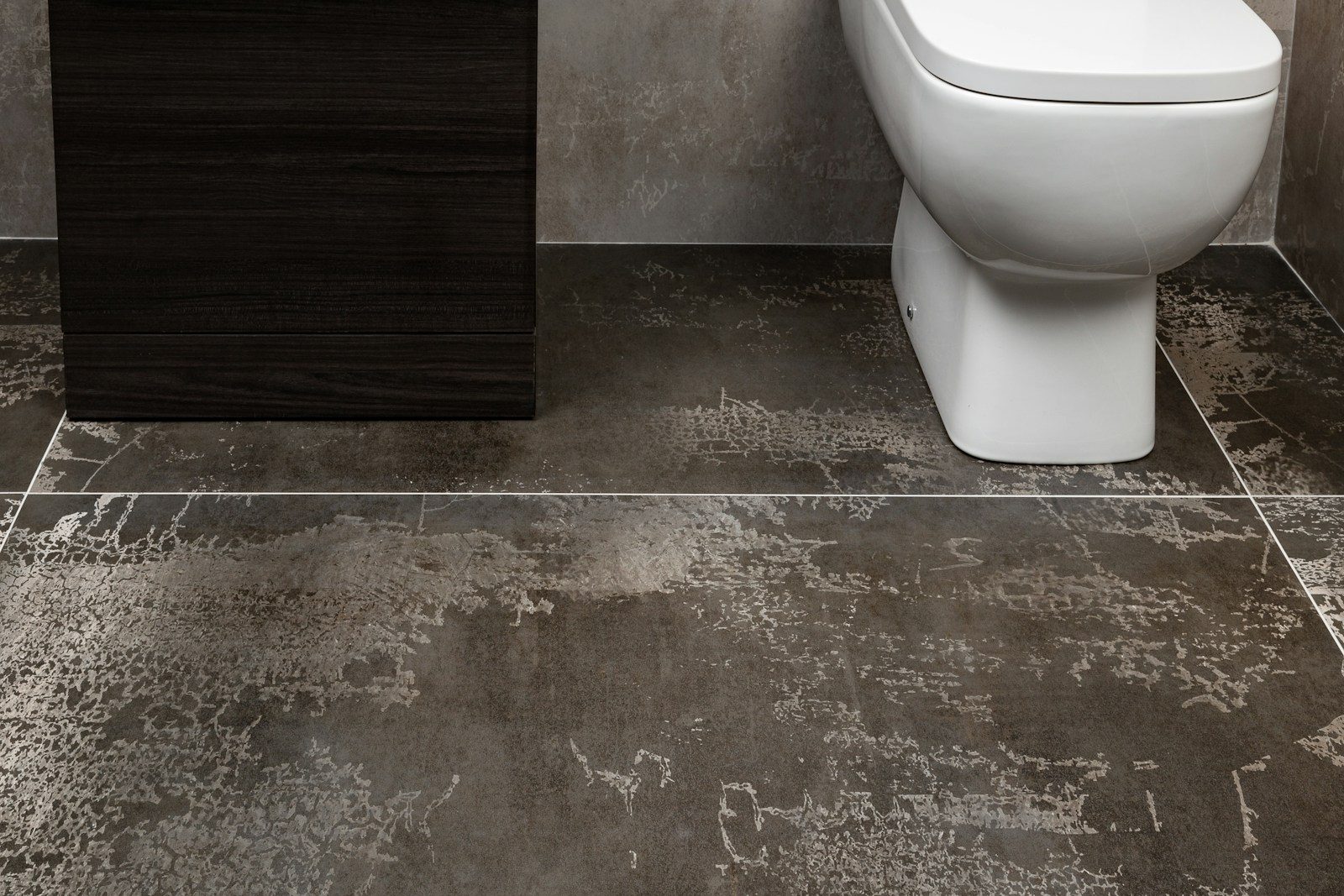
It might seem like just another new trend, but there’s more to the rise of Rigid SPC Vinyl Flooring than meets the eye. This type of flooring uses a clever mix of limestone and PVC to create a core that is incredibly tough, completely waterproof, and less likely to shift or change shape as temperatures and moisture levels go up and down. That’s why more and more UK homeowners are choosing it over older options such as laminate, traditional vinyl, and even some wood-look floors. You end up with a surface that truly looks like real timber or stone but outperforms them in resisting dents, swelling, or damage from day-to-day life. To learn more or shop styles, visit Rigid SPC Vinyl Flooring.
SPC – short for Stone Plastic Composite flooring – has quickly become one of the most discussed flooring types in the UK. The material solves everyday challenges for families looking for durability without giving up on style. What sets it apart is its engineered core – a careful mix of limestone powder, PVC resin, and added stabilisers. While regular vinyl can be flexible and sometimes vulnerable to wear and movement, the stone-plastic core found in SPC produces a much denser and sturdier plank, which proves resistant against warping or expanding, even with regular use or big changes in the weather.
The Essentials of SPC Flooring
SPC stands for Stone Plastic Composite (or Stone Polymer Composite in some guides). It refers to the flooring’s unique internal layer, crafted for strength and stability. SPC is not just a simple vinyl layer or soft plank; it is produced in layers, with the highlight being its engineered, rigid core. Usually, this core is made by combining a high amount of limestone powder with PVC and stabilisers for extra strength.
Each SPC plank typically includes a protective UV layer to reduce fading, a decorative top that mimics real wood or stone, the rigid core beneath, and often a built-in underlayment to boost comfort and absorb sound. This multi-layer construction is why SPC floors can balance great visuals with practical toughness.
Why the “Rigid” Core Makes the Difference
The term rigid truly means something with this flooring. Instead of acting like softer vinyl or laminate, SPC’s solid, limestone-heavy core makes each plank firm and unbending. The blend of natural limestone with resilient PVC makes the material tough enough to resist bending, thanks to its density and structure.
This is a big deal because problems in household floors often start when things move too much. Softer floors can show up with dents, reveal marks from uneven subfloors, or shift out of place when humidity or temperature changes. Rigid SPC avoids those pitfalls, making it a smart pick for busy rooms, open kitchen/dining areas, or any spot that can get warm, stuffy, or wet from time to time.
The Top Reasons UK Homeowners Choose SPC
UK families are often drawn to SPC flooring because it is reliably waterproof. Whether it is a kitchen, hallway, laundry room, or bathroom, these are places where spills and damp are more likely. Unlike wood or non-rigid vinyl, SPC’s solid, water-resistant core handles moisture without buckling or swelling.
SPC’s great stability is another major point in its favour. Throughout the UK, houses see shifts in temperature and humidity between seasons. Regular vinyl or laminate floors can swell, contract, or leave gaps during these changes. SPC boards, on the other hand, remain firm and steady, reducing issues like lifting or open joins that can appear over time.
Durability also stands out – particularly its resistance to dents and marks. Many of us deal with prams, pets, furniture, and general foot traffic each day. The limestone in SPC makes it far harder than vinyl that uses only plastic, so it is less likely to show pressure points or obvious wear.
SPC Compared With Regular Vinyl and LVT
While SPC, LVP (Luxury Vinyl Plank), and LVT (Luxury Vinyl Tile) are all found in the luxury vinyl category, they don’t perform the same. Most regular LVPs and LVTs have a flexible core, which can make them feel softer underfoot but also prone to denting and flexing under weight. The firmer SPD core means it is less likely to shift or compress, bringing extra peace of mind for those worried about durability.
For busy homes where practicality is the top concern, this extra toughness is what draws many people toward SPC. If you want an authentic wood or stone look but need a surface capable of handling muddy shoes, children, and pets, SPC often ends up as the best all-round choice.
What to Look for in a Quality SPC Floor
Not every SPC plank is equal. Factors such as the wear layer (which shields from scuffs), surface finish, locking system, and even pattern variety all influence real-world quality. A thicker or more advanced wear layer will prevent scratches, and more natural finishes – like matte looks and texture embossing – help the flooring look like real wood instead of plastic.
Another subtle but important detail is pattern repetition: more unique plank designs and fewer repeats can make the whole floor look more lifelike. As you shop, remember that the best SPC is not just the toughest, but the one offering realistic design, good comfort, and solid performance all together.
Simple and Hassle-Free Installation
SPC flooring is popular with homeowners partly because it often uses click-lock installation. This system allows planks to snap together without needing glue, making DIY fitting a real option. Many products even have an attached underlay for comfort and to absorb sound, saving the step of adding a separate layer during installation.
Just keep in mind, SPC still needs to be installed on a clean, level, and dry subfloor for the best results. Skipping steps like ensuring proper expansion gaps or careful layout can create future problems, so preparation remains essential even with such a user-friendly product.
Comfort and Practicality in Everyday Living
Although SPC’s main selling points are how tough and waterproof it is, comfort is also a real benefit. Many boards come with an underlay already attached, making them more pleasant to walk on and softer to noise. This way, rooms not only look good but also feel better – warmer and quieter – underfoot compared to some stone or cheap vinyl floors.
For homes with children, pets, or a bustling daily routine, a floor needs to be both comfortable and low-maintenance. SPC manages this trick: it is firmer than regular vinyl but softer and easier to care for than many natural surfaces.
Is SPC Right for Everyone?
SPC planks are not automatically the perfect fit in every room. Some homeowners prefer something softer and warmer underfoot, such as cushioned vinyl, especially in bedrooms or living rooms where a little extra comfort is welcome. It is wise to compare this firm option with other types before choosing.
That said, for high-traffic areas and locations likely to get wet or dirty, SPC vinyl floors really stand out – combining water resistance, long-term stability, and a wide choice of good-looking designs.
Why the Trend Has Caught On
The rise in SPC flooring shows a bigger shift in what families look for in home improvements. People no longer just want attractive floors – they want them to be tough, easy to clean, and ready for real family life. That’s what has pushed SPC to the front, thanks to its combination of limestone, PVC, and quality engineering.
In the end, it is the clever use of materials and technology that sets SPC apart. Its popularity isn’t just about style but about providing truly resilient, waterproof, and easy-to-live-with flooring for modern homes.